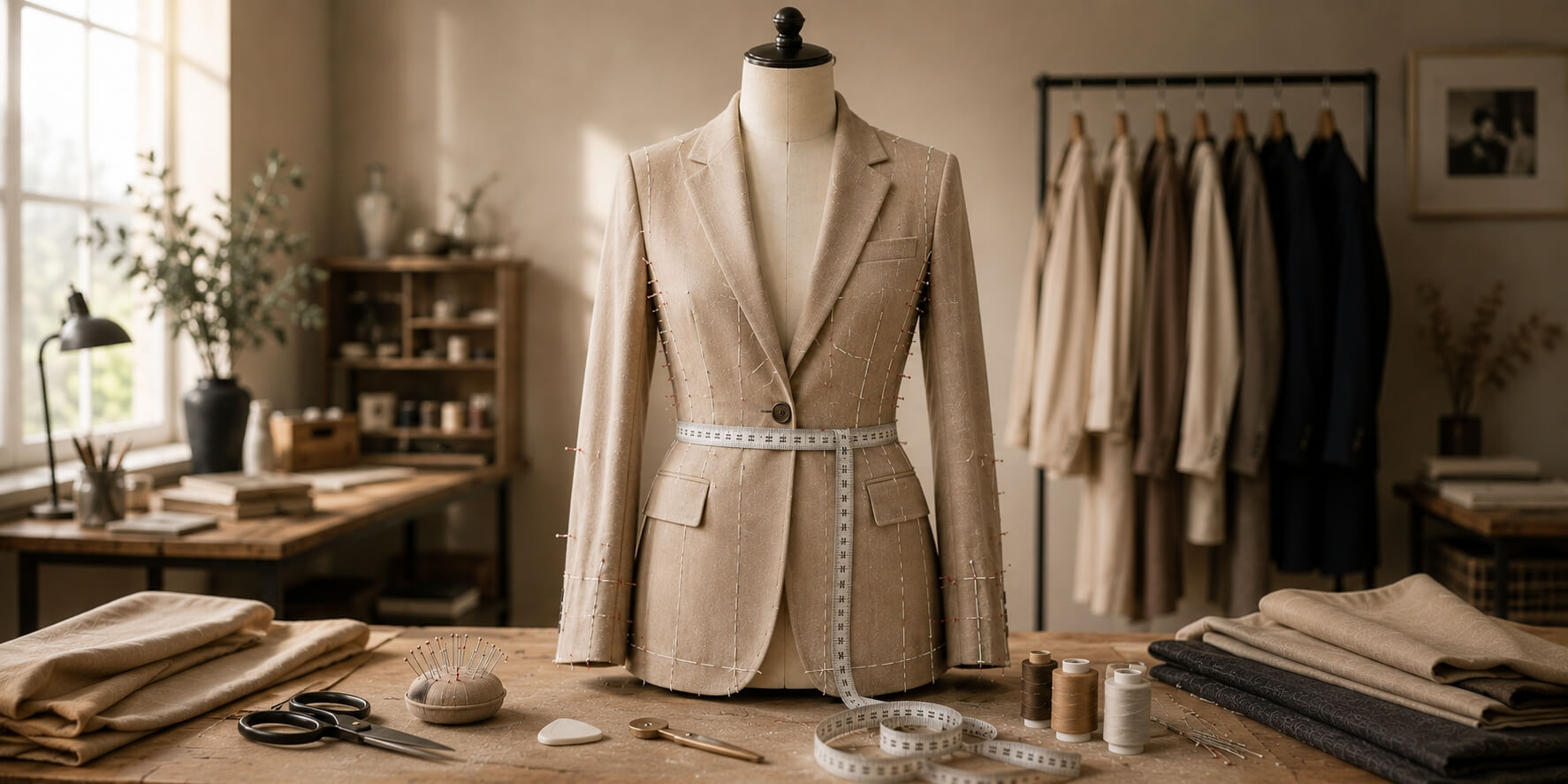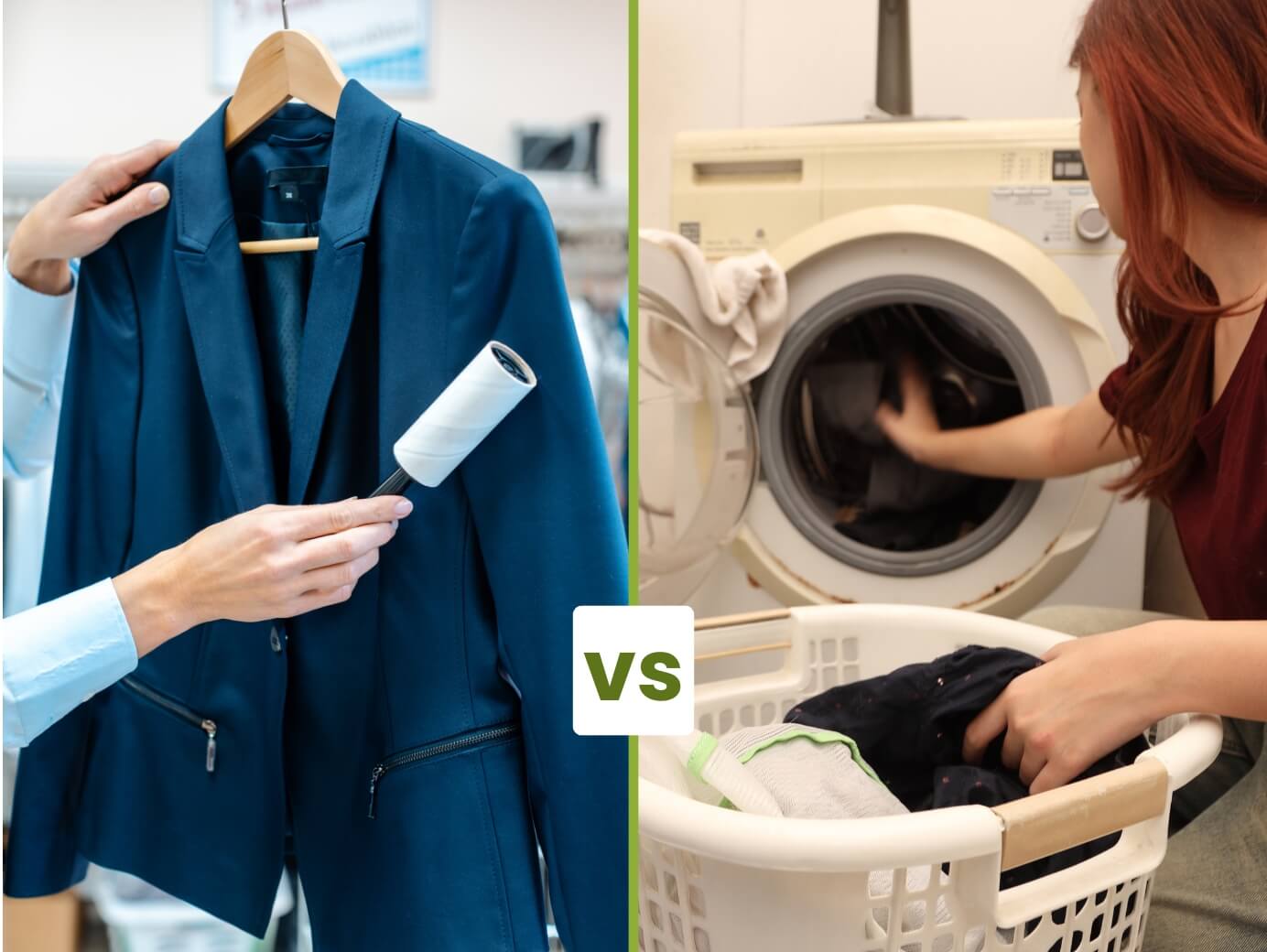
Understanding when to dry clean versus machine wash can dramatically extend the life of your garments. Many people assume washing everything at home saves money, but improper care often leads to shrinking, fading, fiber damage, and loss of structure.
Both dry cleaning and regular washing serve different purposes. Choosing the correct method depends on fabric type, garment construction, stain type, and long-term wear expectations.
How Regular Machine Washing Work

Machine washing uses water, detergent, agitation, and spinning to remove dirt, oils, and odors. It is effective for everyday clothing made from durable fibers.
When done correctly—using proper water temperature, appropriate detergent amounts, and balanced load sizes—machine washing can maintain cleanliness without significant damage.
However, incorrect temperature settings, overloading the washer, or excessive detergent can weaken fibers and leave residue behind.
When Machine Washing Works Best
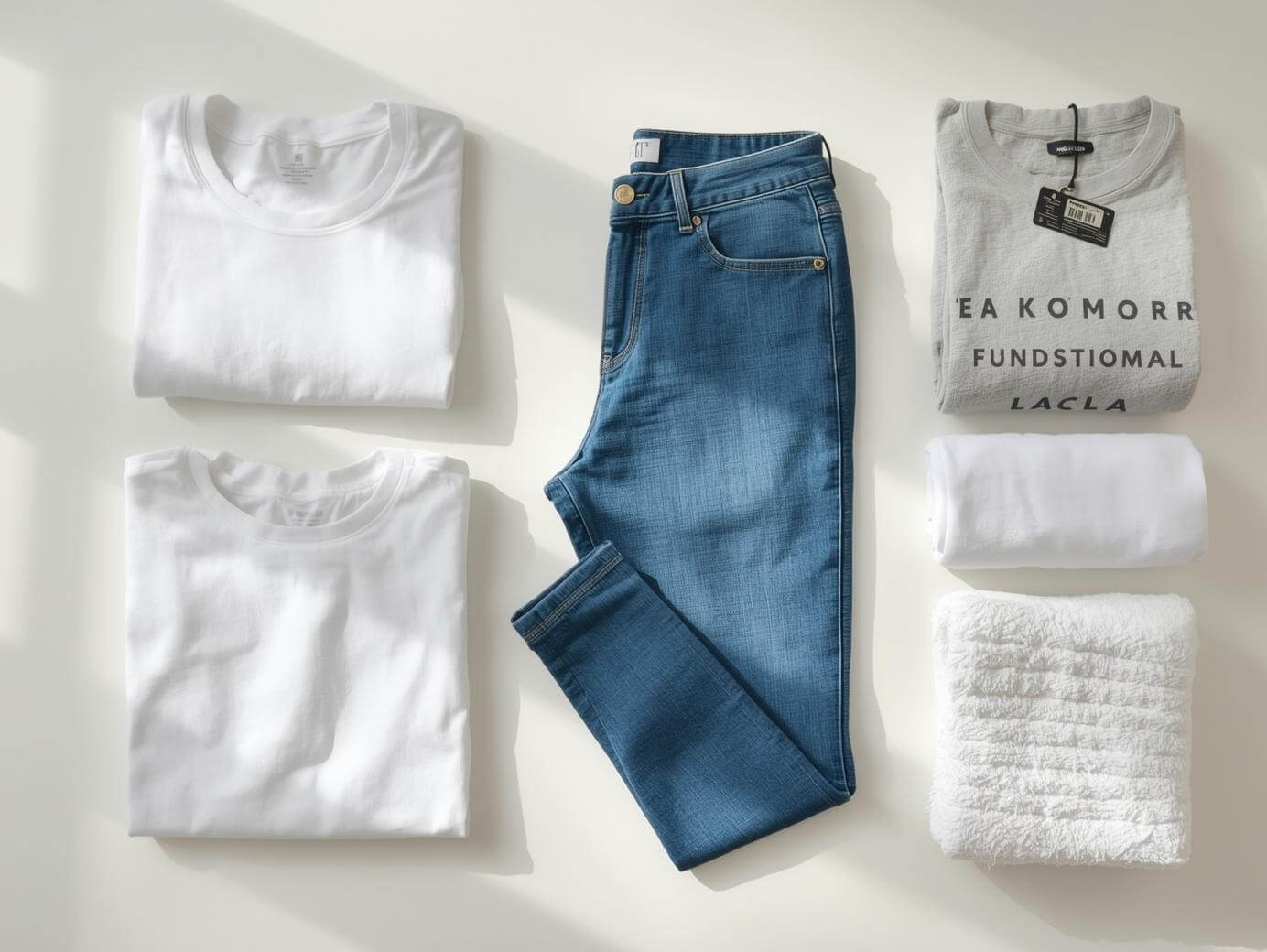
Durable fabrics like cotton, polyester, denim, and everyday activewear are generally safe for machine washing.
Items such as t-shirts, pajamas, workout clothes, and towels are designed to withstand water agitation.
Cold or warm water cycles are typically safer for maintaining color vibrancy and reducing shrinkage risk.
Sorting by fabric type and color further protects garments from unnecessary wear.
How Dry Cleaning Works
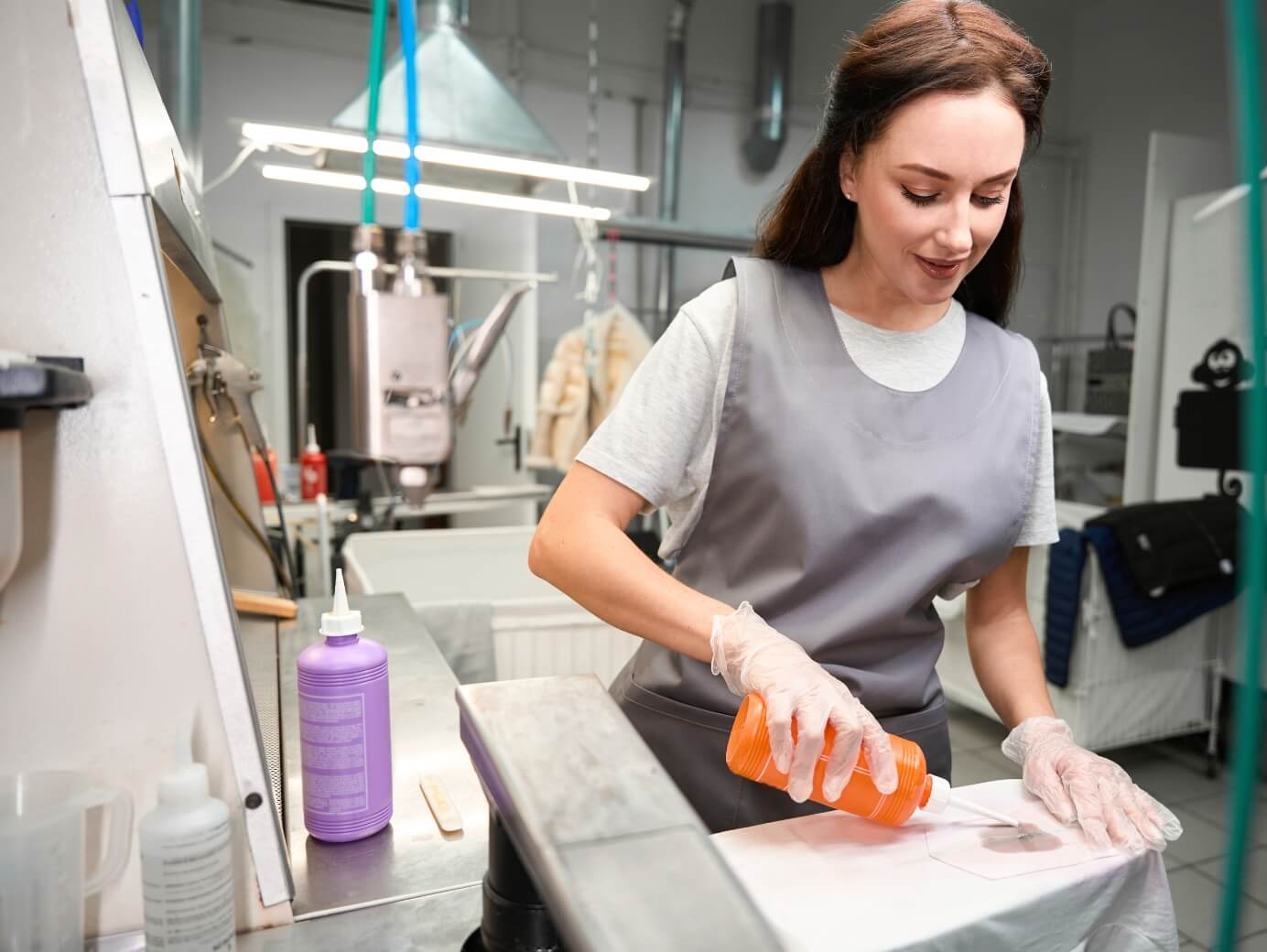
Dry cleaning does not use traditional water washing. Instead, garments are cleaned using specialized solvent-based systems that remove oils and stains without saturating fibers.
Because there is minimal moisture and controlled mechanical action, garments retain their shape, structure, and finish.
This method is especially valuable for structured clothing and delicate fabrics that may distort in water.
When Dry Cleaning Is Necessary
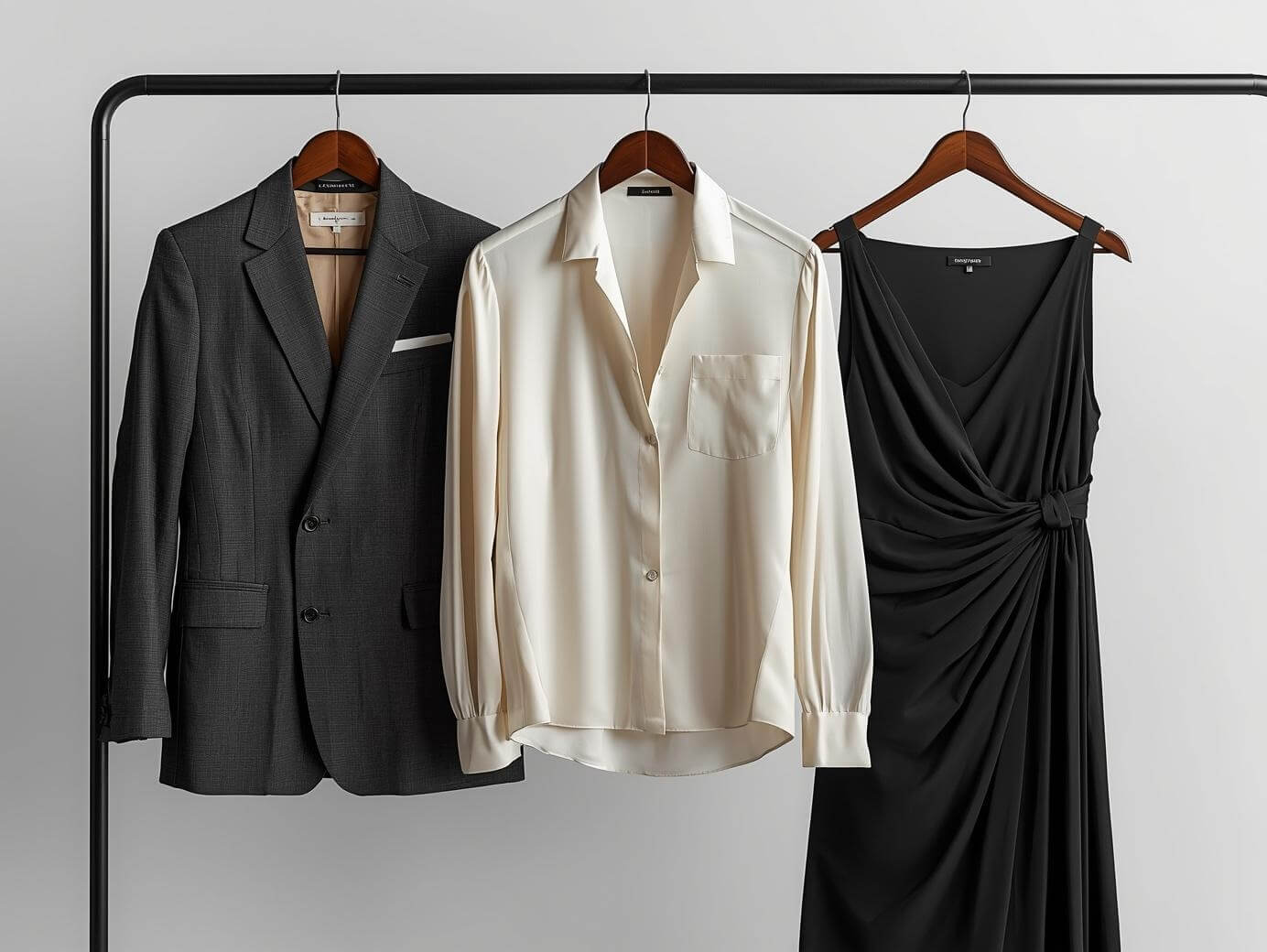
Wool, silk, suits, blazers, formal dresses, uniforms, and structured garments require dry cleaning.
Water can cause wool fibers to felt and shrink. Silk may lose sheen and strength. Structured jackets can lose internal shape due to water absorption.
Dry cleaning preserves tailoring, pleats, shoulder structure, and fabric texture.
Garments labeled ‘Dry Clean Only’ should always follow care instructions to prevent irreversible damage.
The Hidden Damage of Over-Washing
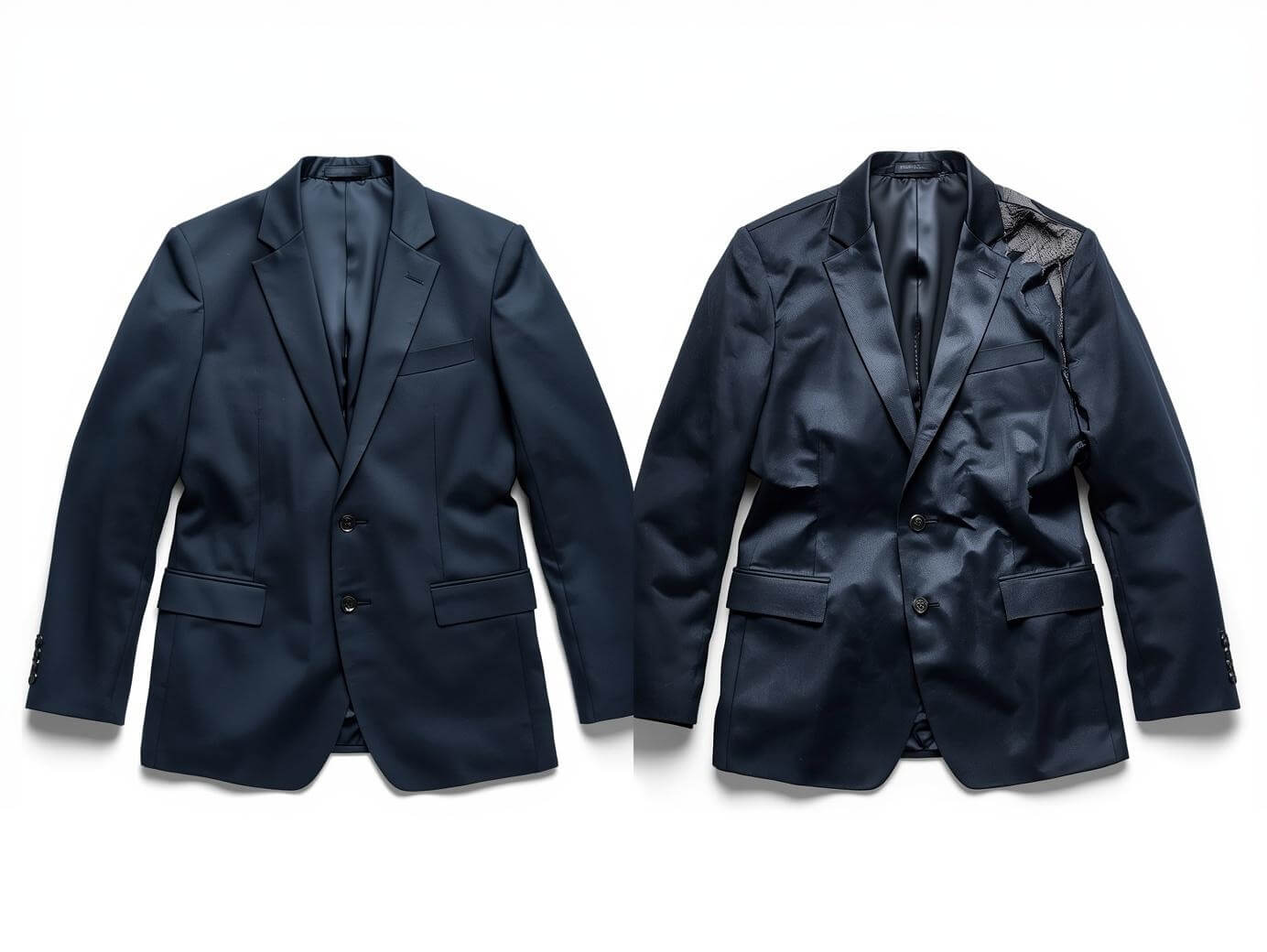
Frequent high-temperature washing weakens fibers over time. Heat breaks down elasticity and fades dyes.
Over-washing can cause garments to lose softness, stretch out of shape, or thin prematurely.
Even durable fabrics deteriorate faster when exposed to repeated harsh cycles.
Reducing unnecessary washes and choosing professional care when appropriate extends garment lifespan significantly.
Cost vs Longevity: The Long-Term Perspective
While home washing may appear cheaper in the short term, replacing damaged garments can be far more expensive.
Investing in proper cleaning methods preserves professional attire, uniforms, and formalwear.
For working professionals, maintaining a polished appearance is essential, and proper garment care supports that image.
Professional Evaluation Makes the Difference
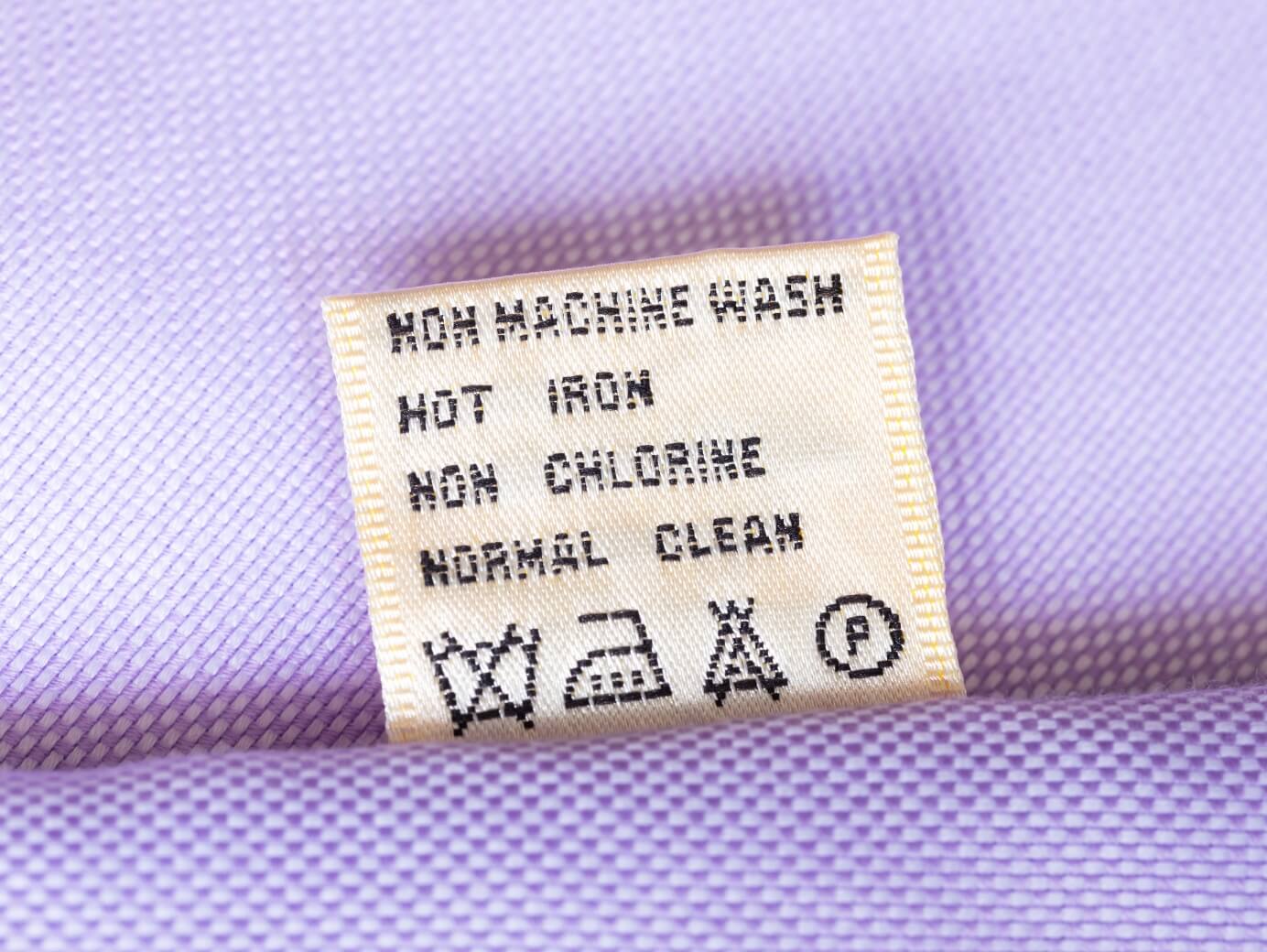
Professional cleaners evaluate each garment individually, considering fabric type, construction, stains, and wear patterns.
This ensures the correct cleaning method is selected for maximum safety and effectiveness.
Instead of guessing at home, professional assessment prevents costly mistakes and maintains fabric integrity.
Professional Dry Cleaning & Laundry Service in Calgary and Vancouver
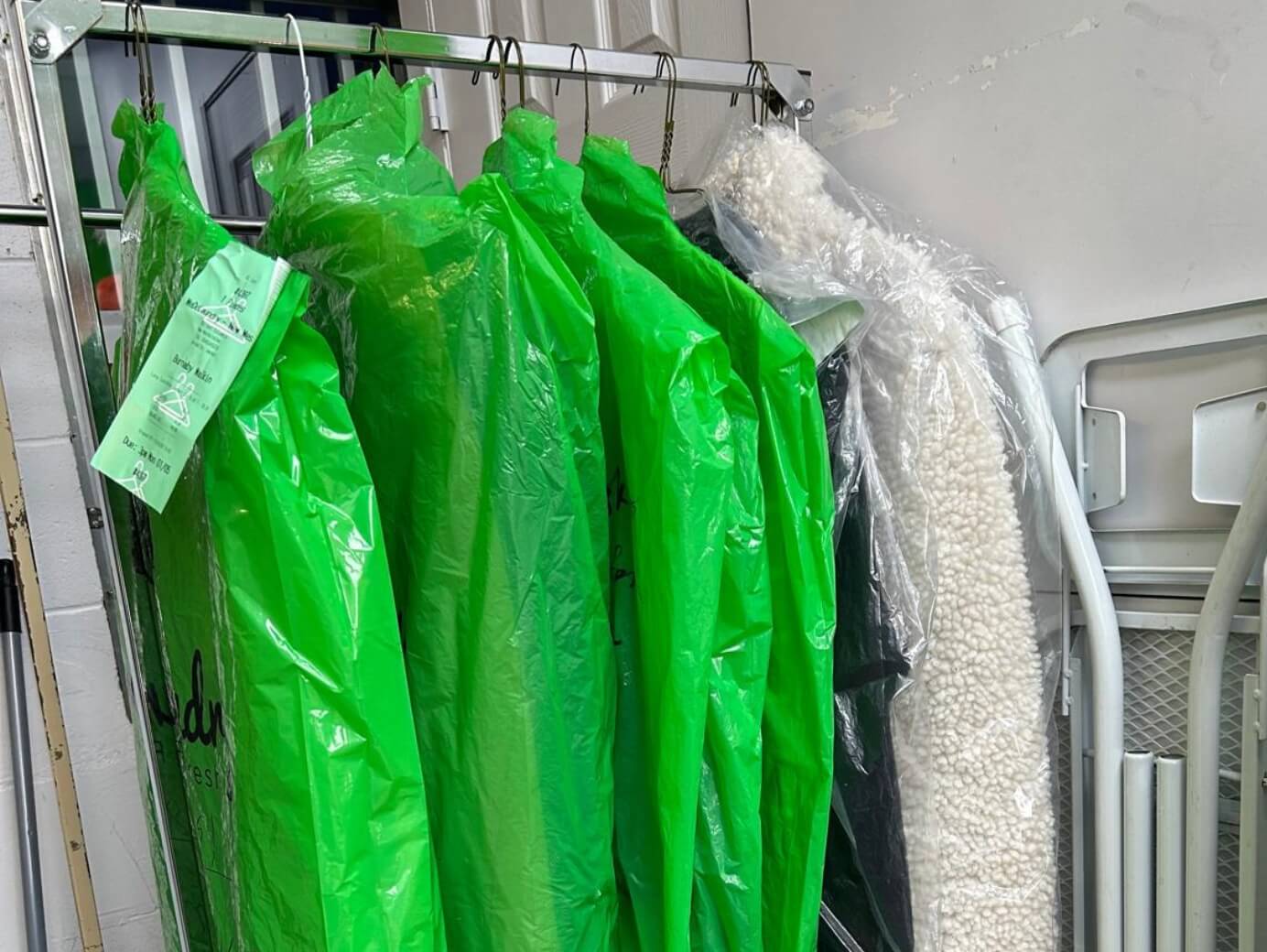
For residents in Calgary and Vancouver, professional garment care offers convenience and protection.
Choosing the correct cleaning method not only keeps clothes looking fresh but also extends their usable life.
Whether it’s everyday laundry or delicate dry-clean-only garments, proper treatment ensures long-term quality and a consistently polished look.