Short answer
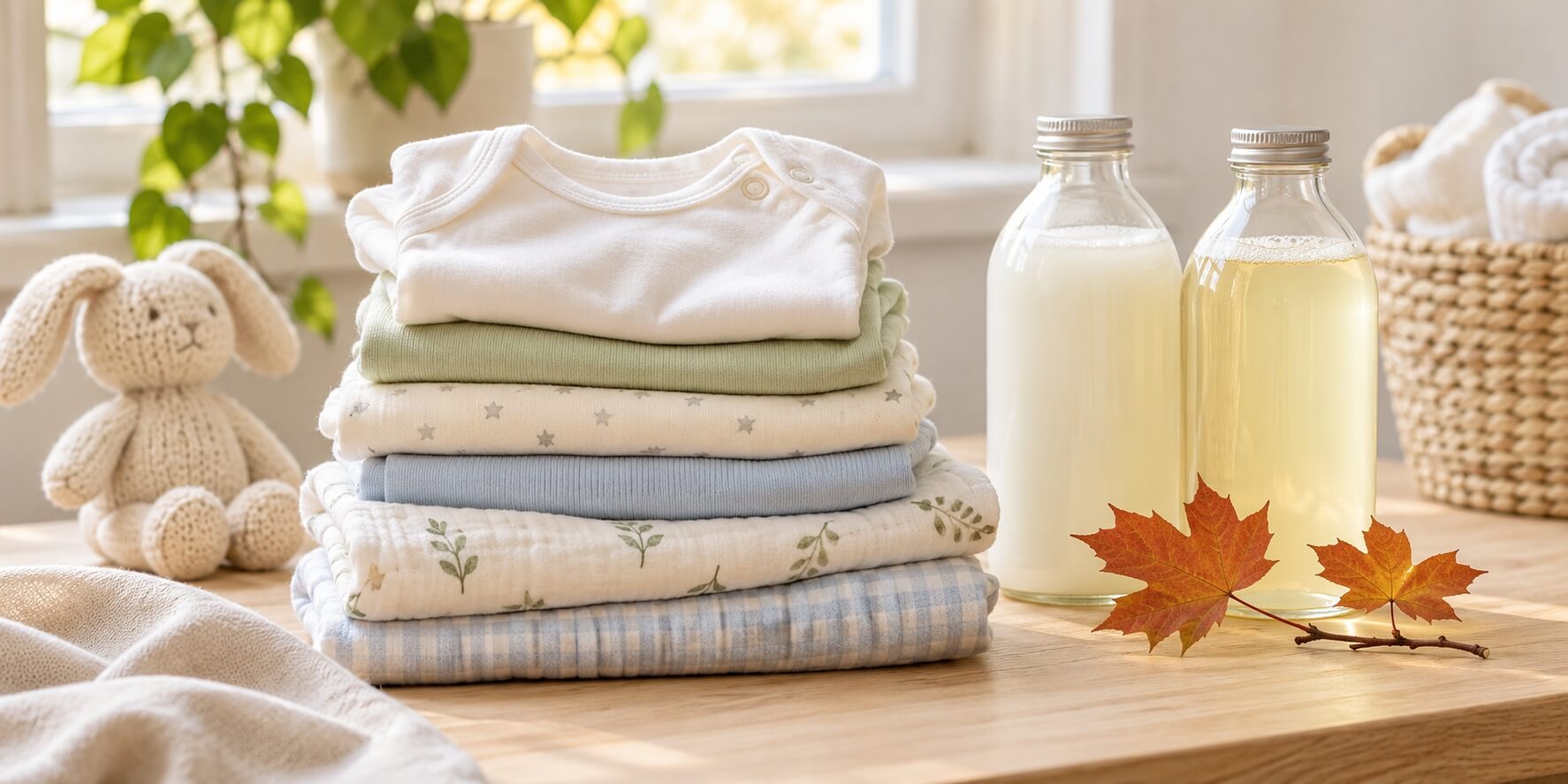
You don’t need a detergent with a baby on the label. You need one with no fragrance and no dye, plus something with enzymes for the milk stains. Those are two different products entirely.
Pediatric dermatologists have always said that you don’t actually need a specific baby detergent. Regular detergent is perfectly suitable for washing baby clothes. What really matters is which ingredients are absent, not which picture is on the bottle.
So this is a list of the Canadian-made options that actually meet that standard, and when they don’t we also give an assessment of why.
What Actually Matters for a Newborn
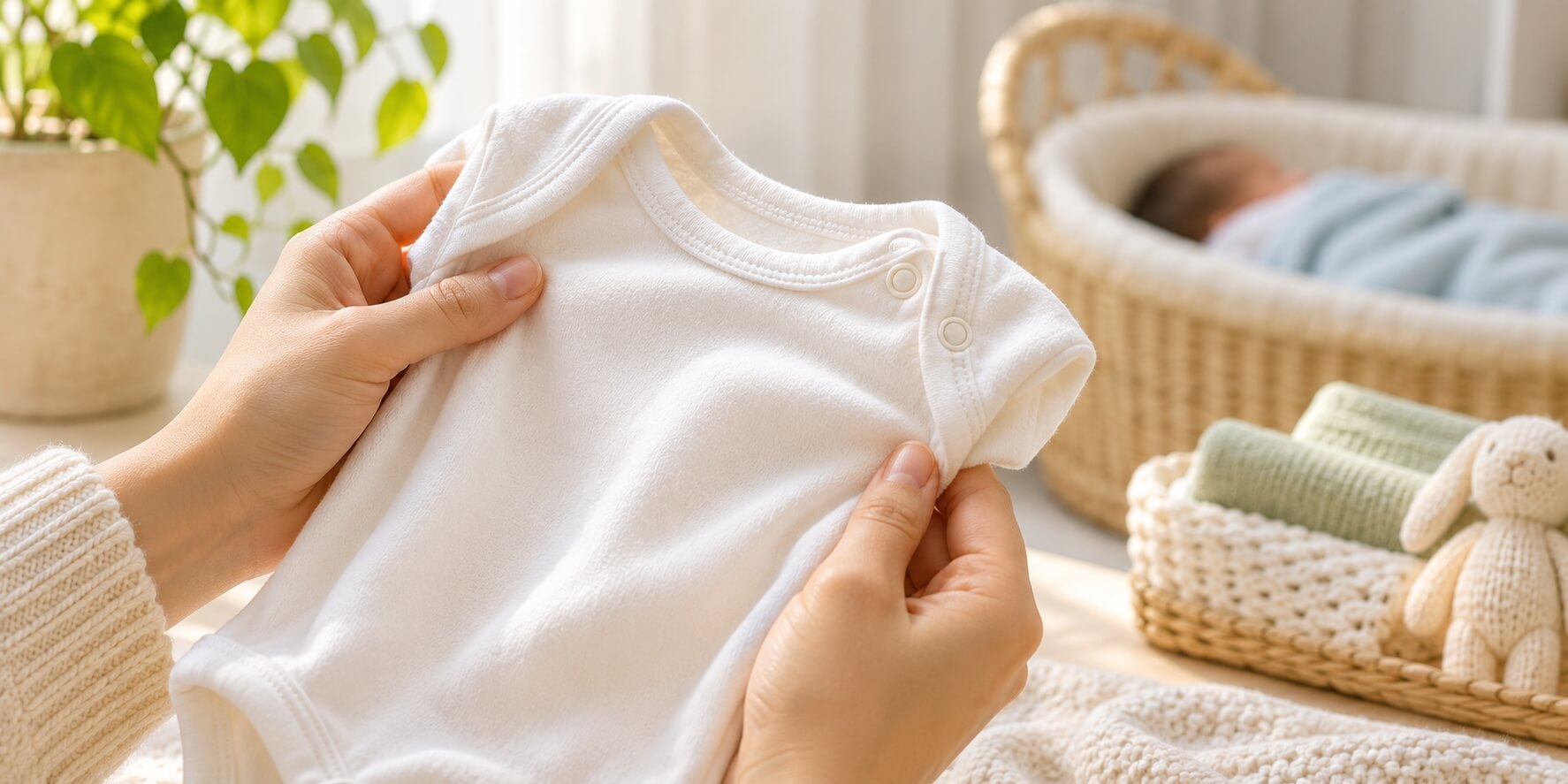
Infant skin is thinner and more absorbent than adult skin, which means it takes up more of whatever residue stays in the fabric after a wash. The dermatologist guidance on what to avoid is short and consistent: fragrance and dyes.
Fragrance-free, dye-free, no optical brighteners. A detergent that clears that bar is baby-safe whether or not it is sold as a baby product, which is why the family-sized fragrance-free bottle often makes more sense than the small expensive one.
Washing baby laundry separately from the rest of the household still helps in the early months, since it limits contact with residue from whatever the adults are using.
Where the Two Promises Pull Against Each Other
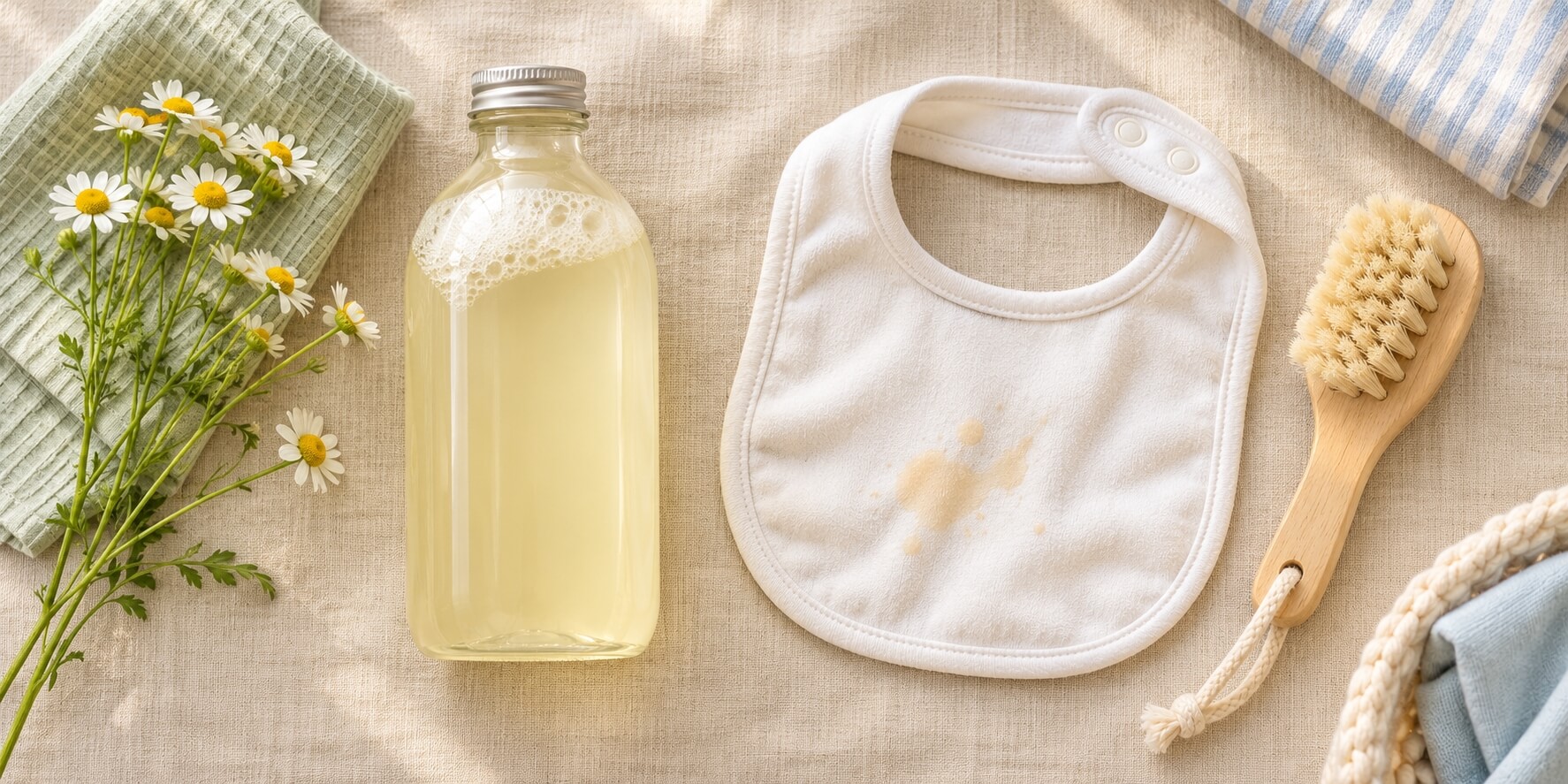
Breast milk and formula are protein-and-fat stains. Heat coagulates the protein and locks it into the fibres, which is why hot water makes a milk stain permanent. Breast milk also carries more fat than cow’s milk, so it behaves partly like a grease stain, and that is what leaves the oily shadow on dark fabric. What removes it is cold water and enzymes, specifically protease and lipase, which break the proteins and fats apart.
However, several Canadian baby detergents are deliberately enzyme-free, which means they cannot remove those stains. Enzymes are not the dermatological concern in the first place — fragrance and dye are — so an enzyme product used on the stain itself, rather than across the whole load, works perfectly with gentle detergent for the regular wash. The practical setup is two products, not one. Gentle fragrance-free detergent for the wash, enzyme treatment on the milk stains before the garment goes anywhere near the machine.
The Canadian Options
Fragrance-free, EWG Verified, dermatologist tested, and safe for cloth diapers. The most thoroughly certified option here and the easiest to find in Canadian stores. Enzyme-free, so pair it with a stain treatment.
Nellie’s Baby Laundry Soda (North Vancouver, BC)
A concentrated fragrance-free powder on a vegetable soap base, free of phosphates and chlorine, at one tablespoon per load. Strong value, and it comes in a tin rather than a plastic jug. One caution: powders need warm water to dissolve fully, and baby clothes are usually washed cold. Residue on dark fabrics is the sign you have hit that limit.
The Unscented Company (Montreal, Quebec)
Not marketed for babies, which is the appeal. Fragrance-free, plant-based, available as liquid or tablets. The one to buy if you would rather have a single detergent for the whole house that meets the newborn standard.
An unscented liquid from a long-established Canadian natural cleaning brand. Being a liquid, it sidesteps the cold-water dissolving problem entirely.
Canadian-owned and manufactured in Ontario, with a fragrance-free liquid alongside the scented range. Widely stocked and dependable.
How to Actually Get Milk Out
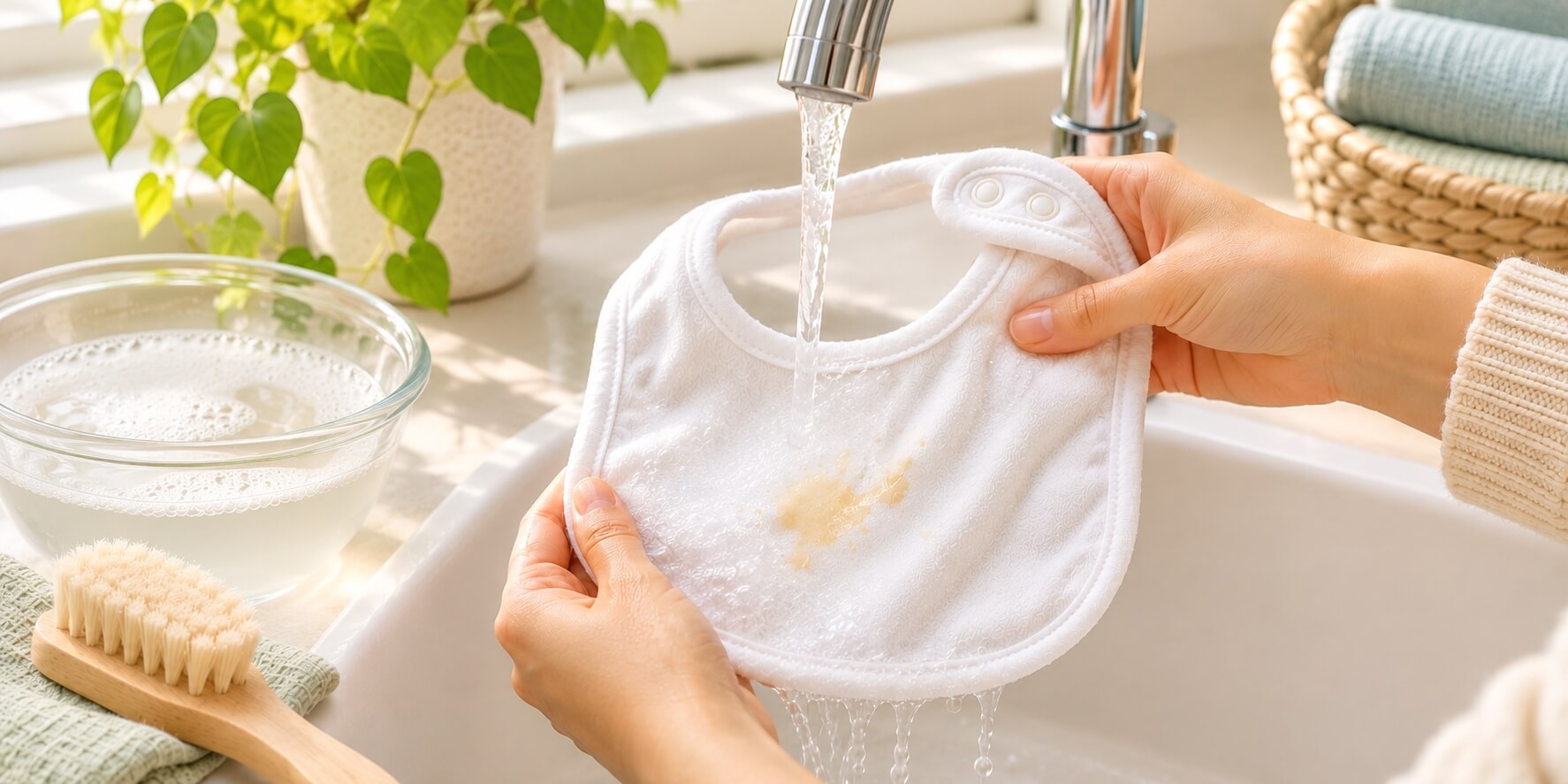
- Cold water, straight away. Flush the stain from the back of the fabric so you push it out rather than further through.
- Pre-treat with an enzyme-based stain remover and give it a few minutes. Enzymes digest the proteins and fats, which gentle soap alone will not do. Attitude makes an unscented baby stain remover if you prefer to stay in one brand.
- Wash cold, then keep the garment away from heat until the mark has gone completely. The dryer is what turns a faint yellow shadow into a permanent one. Hanging it in sunlight instead will lift protein stains for free.
- Skip chlorine bleach. It is harsh on infant skin, and on protein stains it can deepen the yellowing rather than remove it.
Sleepwear: The Canadian Rules Are Different
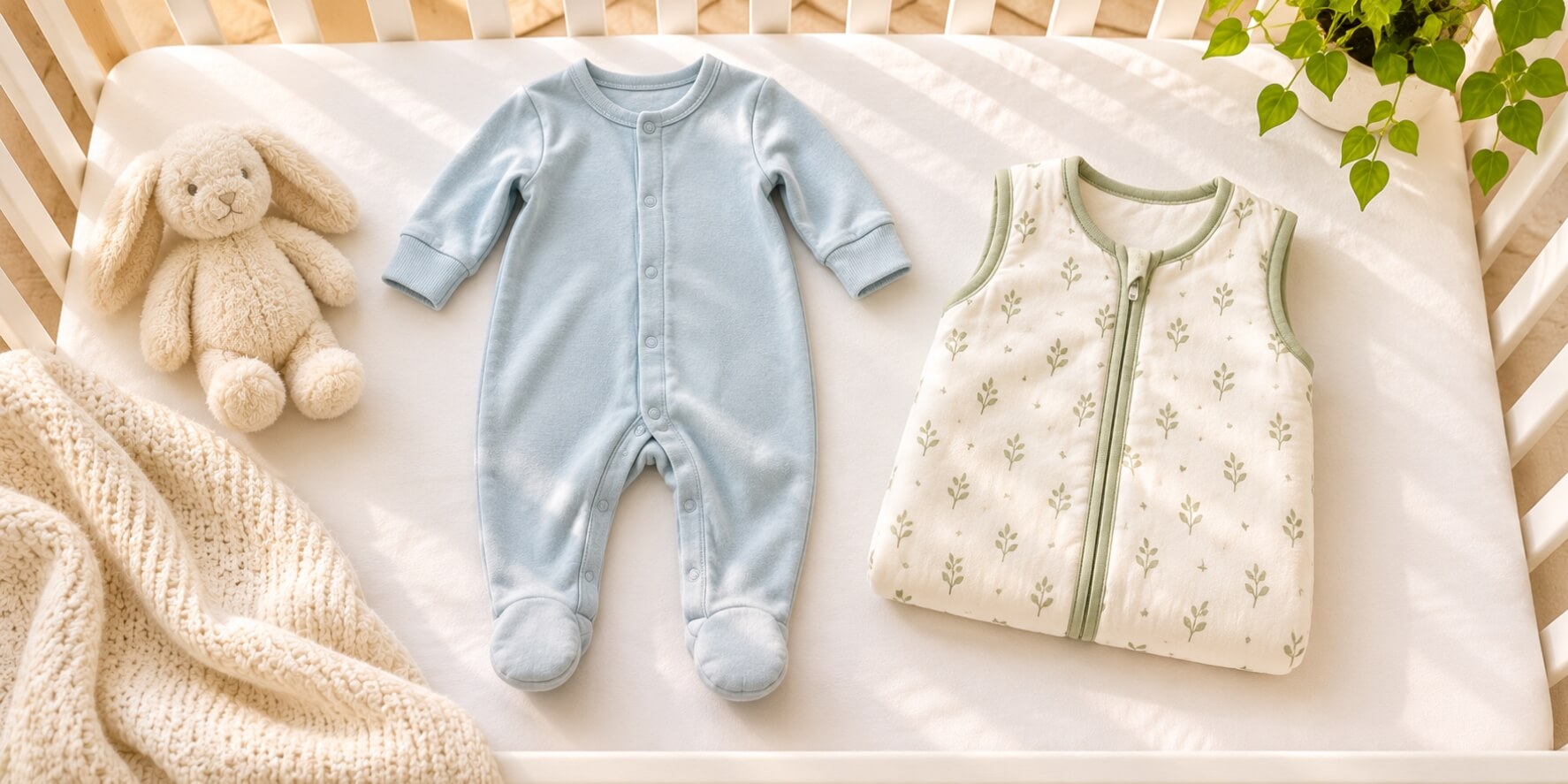
Most baby laundry advice online is written for an American audience, so you need to be really careful where you get your information from.
Health Canada’s Children’s Sleepwear Regulations (SOR/2016-169) cover children’s sleepwear up to size 14X and state that the required flammability performance can be achieved without flame-retardant chemicals, with flame retardants prohibited unless demonstrated to be non-toxic. Canadian sleepwear therefore tends to pass on fit and fabric rather than chemical treatment, which is why snug-fitting sleepwear is treated differently from loose.
Two things follow for your laundry room. If a garment carries a permanent flame retardant label, keep fabric softener away from it, since softener labelling warns against use on flame-resistant garments. And whatever you wash it in, put a baby to bed in actual sleepwear rather than daywear, because daywear is held to different flammability requirements.
Fabric softener is best left out of baby laundry generally. It coats fibres, which is the opposite of what you want on anything absorbent.
The Short Version
| What you’re buying | What to check |
|---|---|
| Everyday baby detergent | Fragrance-free and dye-free, baby-labelled or not |
| A baby-specific formula | Check whether it contains enzymes before relying on it for stains |
| Milk and spit-up stains | A separate enzyme remover, used cold |
| Fabric softener | Leave it out |
| Sleepwear | Read the label before softening anything |
When the Pile Wins
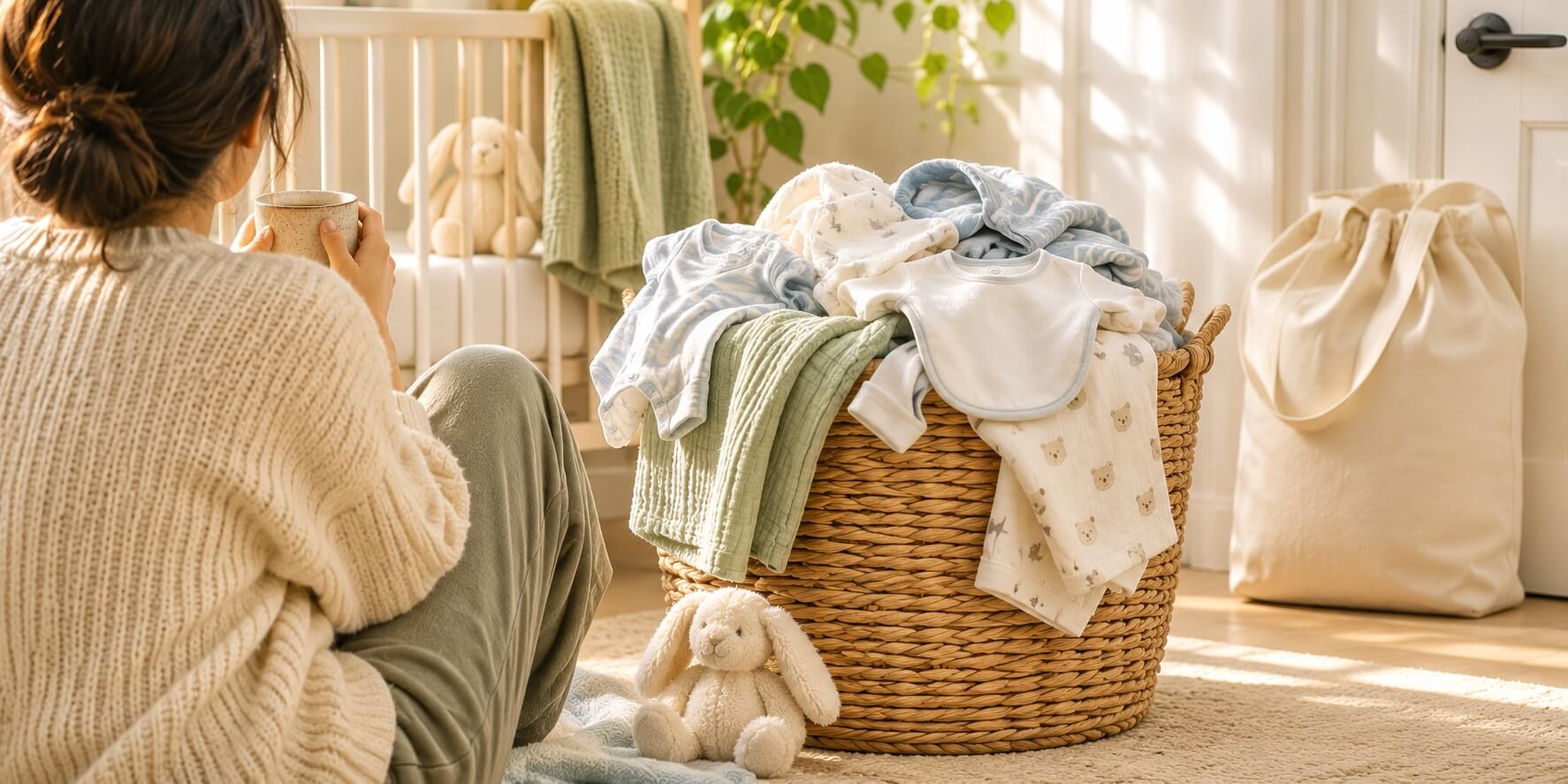
Newborn laundry is relentless, and the thing that ruins a onesie is rarely the detergent. It is the load that sat damp overnight, or the stain that went through a hot dryer before anyone noticed it.
WeDoLaundry’s pickup and delivery service runs on a schedule across Vancouver, Toronto, Calgary and our other service areas, using fragrance-free Canadian-made detergents, and you can flag items to be washed separately. See pricing, or read our guide on how to wash baby clothes safely if you would rather handle it at home.
Frequently Asked Questions
Do I need a special baby laundry detergent?
Not necessarily. Pediatric dermatologists say a baby-specific product is not a requirement. What matters is that the detergent is fragrance-free and dye-free, which many family detergents already are.
What’s the best Canadian-made baby laundry detergent?
Attitude’s fragrance-free baby detergent from Montreal is the most certified option. The Unscented Company is the better buy if you want one detergent for the whole household.
Why won’t gentle detergent remove milk stains?
Milk is a protein and fat stain, and enzymes break those down. Several gentle baby detergents are enzyme-free by design, so treat milk stains separately with an enzyme remover before washing.
Can I use hot water on baby clothes?
Not on milk or formula stains. Heat coagulates the protein into the fibres and sets the stain permanently. Wash cold, and keep the garment out of the dryer until the mark has gone.
Should I use fabric softener on baby clothes?
Better not to. It coats fibres and reduces absorbency, and it should never go on anything labelled flame retardant.