
Spring in Canada means longer days, lighter layers — and a closet still crammed with heavy parkas, wool sweaters, and thermal socks you’ve been pulling out since October. It’s that time of year when the seasonal wardrobe swap feels overdue, but the thought of washing everything before you pack it away (and washing everything you pull out) feels overwhelming.
Here’s the good news: a little structure goes a long way. This guide walks you through exactly how to handle your spring wardrobe changeover so your clothes last longer, smell fresher, and don’t turn into a mountain of regret by mid-April.
Why You Should Always Wash Before Storing — Not Just Before Wearing
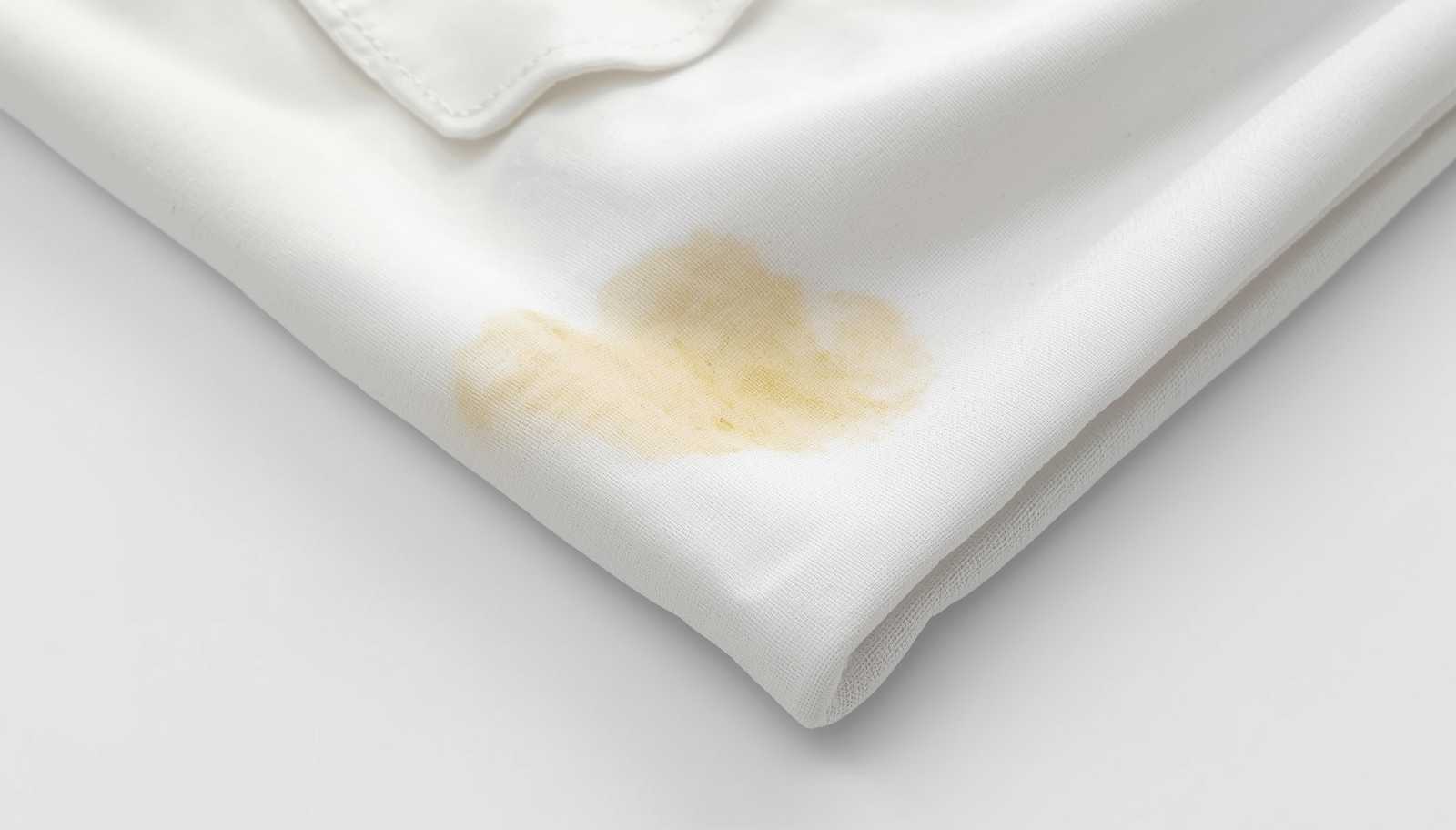
Most people pull out their winter coats in November without a second thought. But did you know that storing clothes with invisible sweat, body oils, or food residue is one of the fastest ways to invite fabric damage, yellowing, and moths?
Even if something looks clean, body oils and residue left on fabric will oxidize over time in storage, leaving permanent stains and weakening fibres. The same logic applies in reverse — clothes stored since last spring should be washed before wearing, as dust, moisture, and even mold spores can settle on fabrics sitting in bins or closets for months.
The rule is simple: wash before storing, wash before wearing.
Step 1: Sort Your Winter Clothes Before Washing
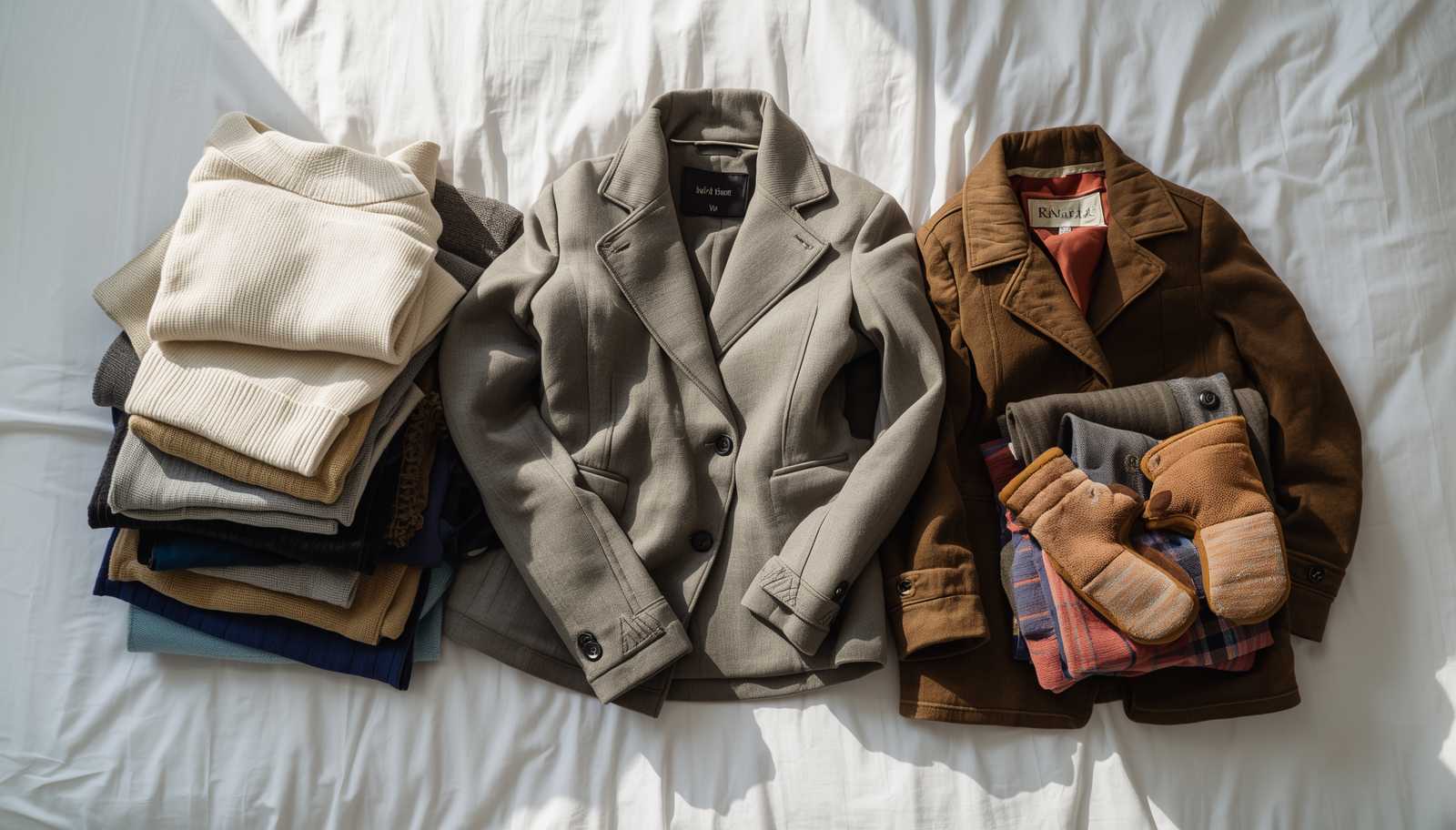
Before you throw everything into a bag, take 20 minutes to sort. Pull out your winter items and divide them into three piles:

Wash & Fold — everyday sweaters, thermals, hoodies, scarves, winter socks, and fleece-lined items. These can go through a regular warm-water wash cycle.

Dry Clean — wool coats, structured blazers, cashmere, down jackets with no machine-wash label, and any ‘dry clean only’ items. Don’t risk shrinking or warping these. Check the care label — when in doubt, dry clean it.

Discard or Donate — that pilled fleece you’ve been holding onto since 2018, the mittens that lost their partner, the sweater that shrunk. Spring is a natural time to let go. If you haven’t worn it in two winters, you won’t wear it in a third.
Step 2: Know What Your Winter Fabrics Actually Need
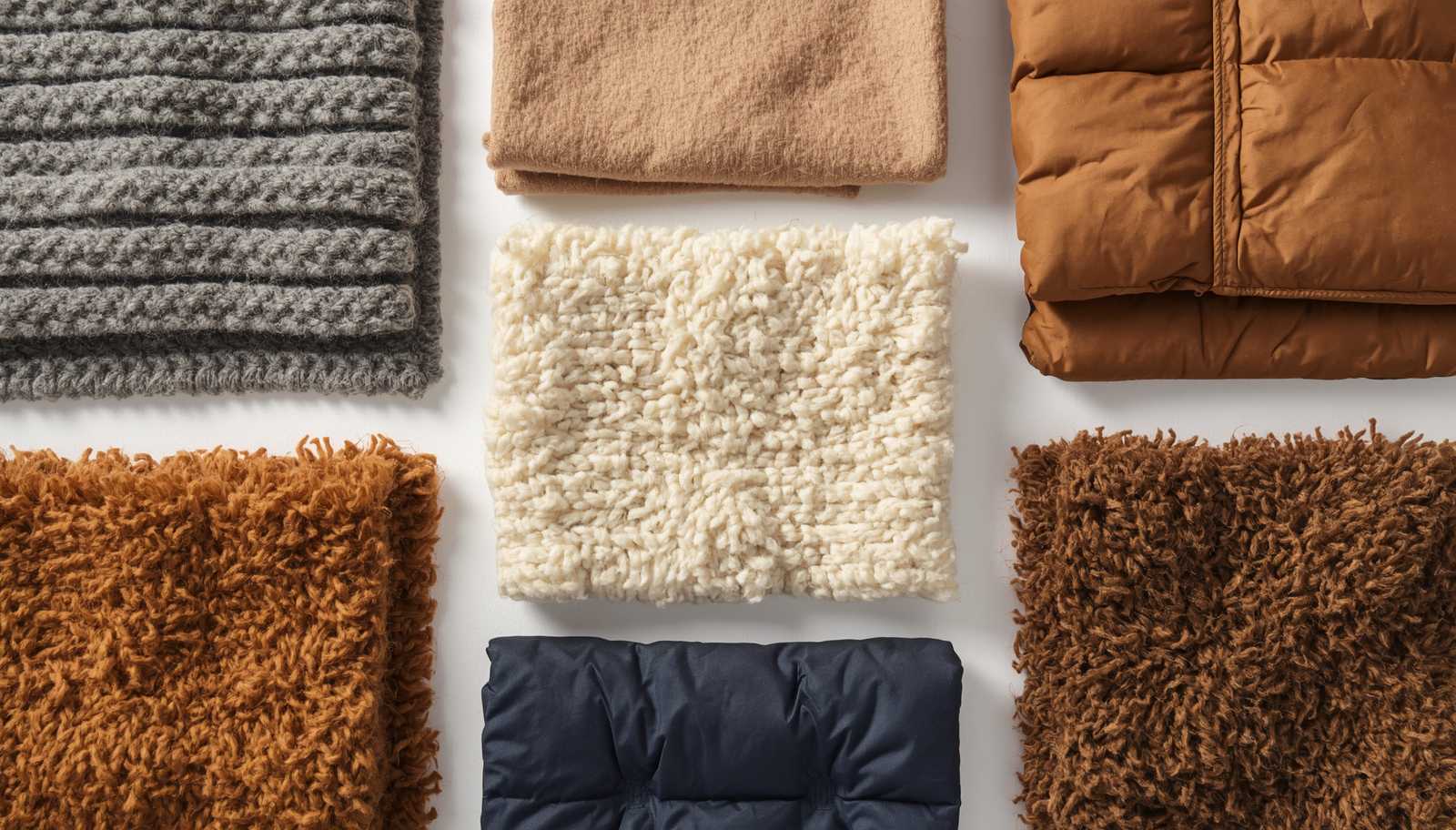
Different materials need different care, especially after a long, heavy-use winter season.

Wool and cashmere are delicate and prone to felting (irreversible shrinking and matting) in hot water or high-heat dryers. These need cold water on a gentle cycle, or better yet, professional dry cleaning. Lay flat to dry — never hang wool, as it stretches under its own weight.

Down jackets and duvets need room to move in the wash — a large front-load machine with no agitator is ideal. Throw in a couple of dryer balls to keep the fill from clumping. Most down can be machine washed on a gentle cool cycle, but always check the label. WeDoLaundry handles large items like duvets and winter coats — no need to haul them to a laundromat yourself.
Fleece and synthetics attract lint and can transfer microplastics when washed frequently. Use a cold, gentle cycle and a mesh laundry bag when possible.
Cotton and cotton blends (your everyday hoodies and thermals) are the most forgiving — warm water, regular cycle, and tumble dry on medium.
Step 3: Refresh Your Spring Clothes Before Wearing

Now flip the process. Whatever you’ve been storing — your lighter cotton shirts, linen pants, spring jackets — needs a refresh before it goes back into rotation.
Even clothes stored carefully in sealed bins can pick up a musty or stale smell. A standard warm-water wash with a good detergent usually does the trick. For delicate spring items like linen or silk blouses, use cold water and a gentle cycle, or opt for professional laundering.

Quick tip: add half a cup of white vinegar to the rinse cycle when refreshing stored clothes. It neutralizes stale odours without leaving a vinegar smell once dry.
Step 4: Store Winter Clothes Properly So They’re Ready Next Year

How you store your clean winter clothes matters just as much as how you wash them. A few key principles:
Store in breathable cotton bags or sealed plastic bins — not dry cleaning plastic bags, which trap moisture and accelerate yellowing. Cedar blocks or lavender sachets are natural moth deterrents that won’t leave chemical residues on your clothes the way mothballs do.
Make sure everything is completely dry before it goes into storage. Even slightly damp fabric stored in a sealed container will mildew.

For structured coats and blazers, use padded or wooden hangers in a garment bag, not wire hangers that distort shoulders over months of hanging.
Don’t Have Time for All of This? Let WeDoLaundry Handle It.
WeDoLaundry offers pickup & delivery across Vancouver, Toronto, Calgary, and Edmonton with professional wash & fold and dry cleaning. Eco-friendly detergents, 24-hour turnaround, right to your door.
Schedule your spring changeover pickup today!
wedolaundry.ca | 1-855-800-3972
Quick Spring Laundry Changeover Checklist
- Sort winter clothes into: wash & fold / dry clean / donate
- Wash wool and cashmere cold or take to dry cleaner
- Machine wash down jackets with dryer balls
- Refresh stored spring clothes before wearing
- Add white vinegar to rinse cycle to neutralize musty smells
- Store winter items in breathable bags, completely dry
- Use cedar blocks — not mothballs — for natural moth protection
- Can’t face the pile?