
Laundry Secrets Revealed: 10 Myths You Should Avoid + Pro Tips
By WeDoLaundry •The most basic chore is definitely loading the filthy clothes into a washing machine, running them with detergent, and pushing the start button. There are many legends in laundry that, if closely examined, could lead one to useless techniques, energy waste, and even damage to clothes. This page lists the ten most often occurring laundry misconceptions, clarifies scientifically what happens, and offers brief advice on how to increase the effectiveness of your washing and drying.
Myth holds that hot water is cleaner than cold water.
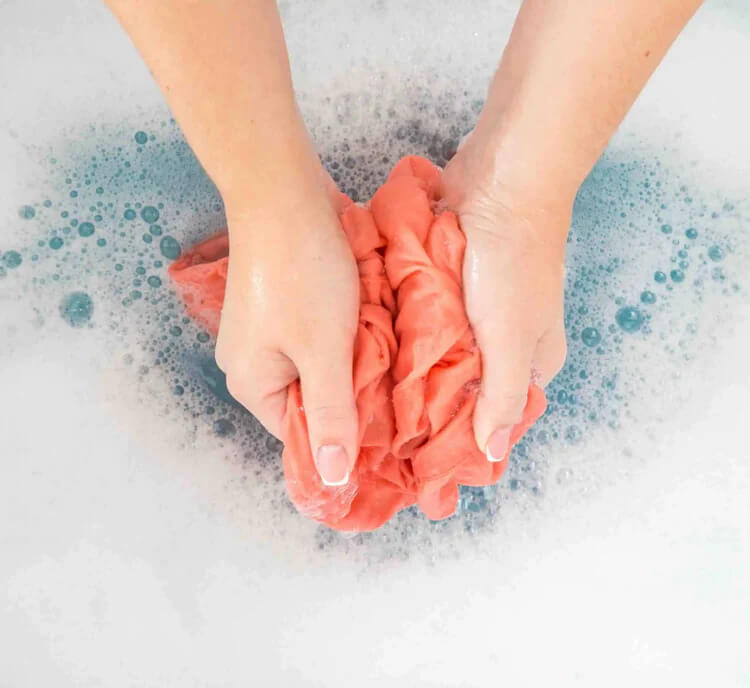
The myth is that the best way to disinfect clothes and eliminate stains is hot water.
The reality is that utilizing hot water has several advantages, including the ability to eradicate oil streaks and microorganisms. But given its abrasive character, the cloth could suffer damage ranging from shrinking to severe deformation and fading. Usually enough for most normal washing and synthetic fabrics is cold water.
Scientifically, cold water aids damage resistance against fabric and protects the colour integrity of your clothing. Modern detergents add enzymes to break stains at lower temperatures, so they perform much better in cold water.
For most loads, use cold water; for really dirty objects or for washing towels or linens, use hot water. See also the label to find out whether the detergent is appropriate for cold water washes; many are.
Myth: More detergent equals better cleaning of clothes
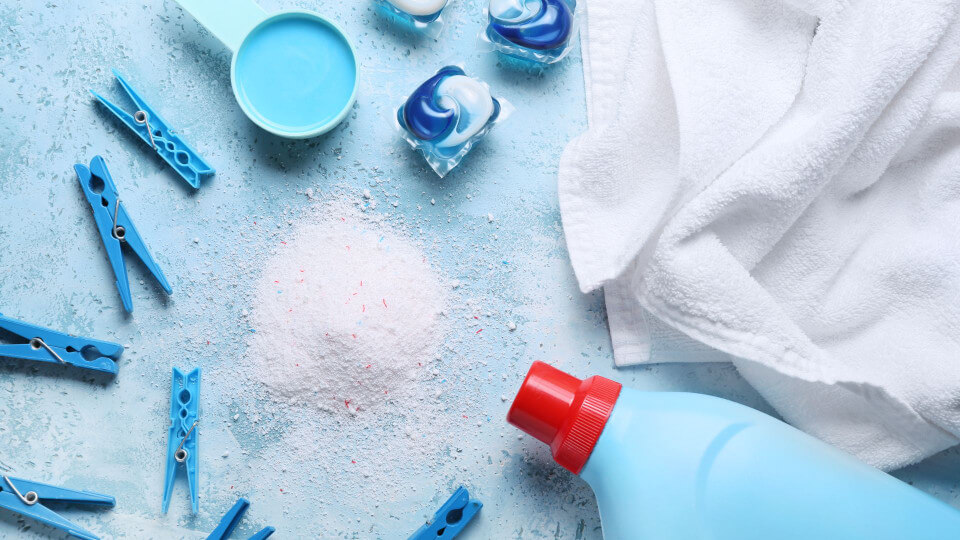
The ancient adage, "a little goes a long way" in terms of cleanliness, holds true; but, this is really simply a myth.
The reality is that while using additional detergent could be beneficial, using too much of it could be negative. Not only can detergent accumulate in the washing machine and compromise its effectiveness, but it also leaves traces on clothing by failing to fully wash them.
Using too much detergent defeats the intended usage by having the extra suds stick to the dirt and oils rather than washing them away.
Based on the load size and soil level, use the recommended dosage of the detergent. Use HE-specific detergent if you have a high-efficiency (HE) washer; steer clear of overloading the machine.
Myth: You should wash your clothes after each wear, even if they appear clean.
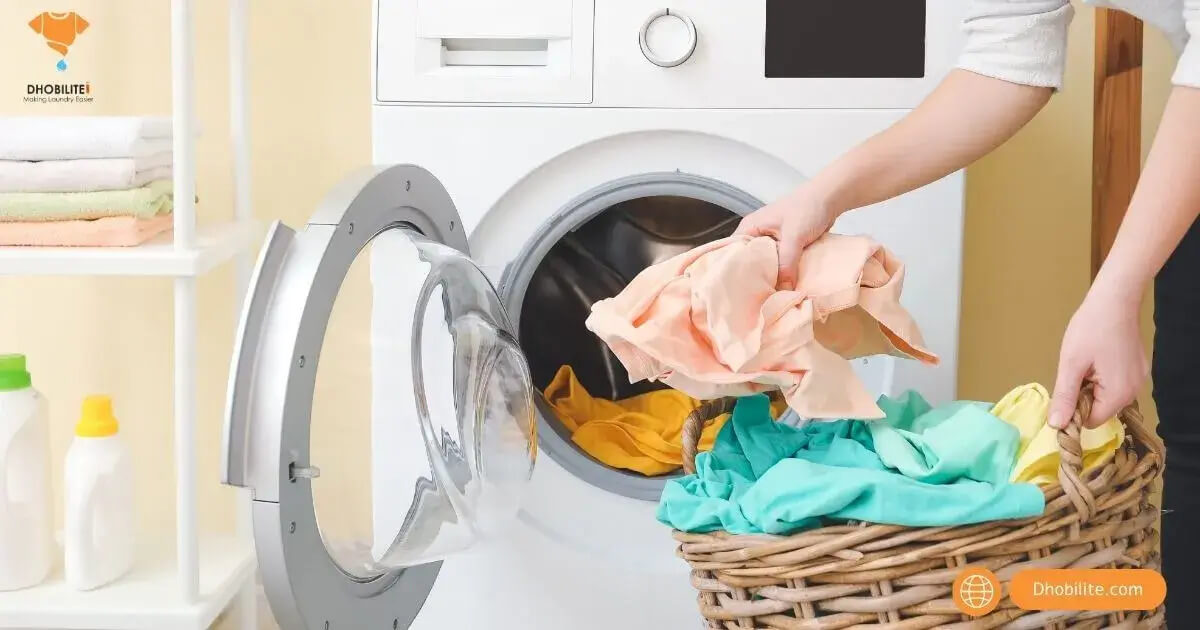
The truth is not every item of apparel should be cleaned after every use. Actually, too much washing can fade hues early on and wear out materials.
As long as they are not obviously filthy or stinking, fabrics, such as jeans, coats, and sweaters, can usually be worn numerous times before needing to be washed. Overwashing can shorten your clothes' lifespan and break their fibres.
Tip: Just wash clearly dirty, sweaty, or smelly clothing. Most other clothing may only require air drying or a basic spot clean.
Myth: Using high heat in the dryer is the best way to dry clothes quickly
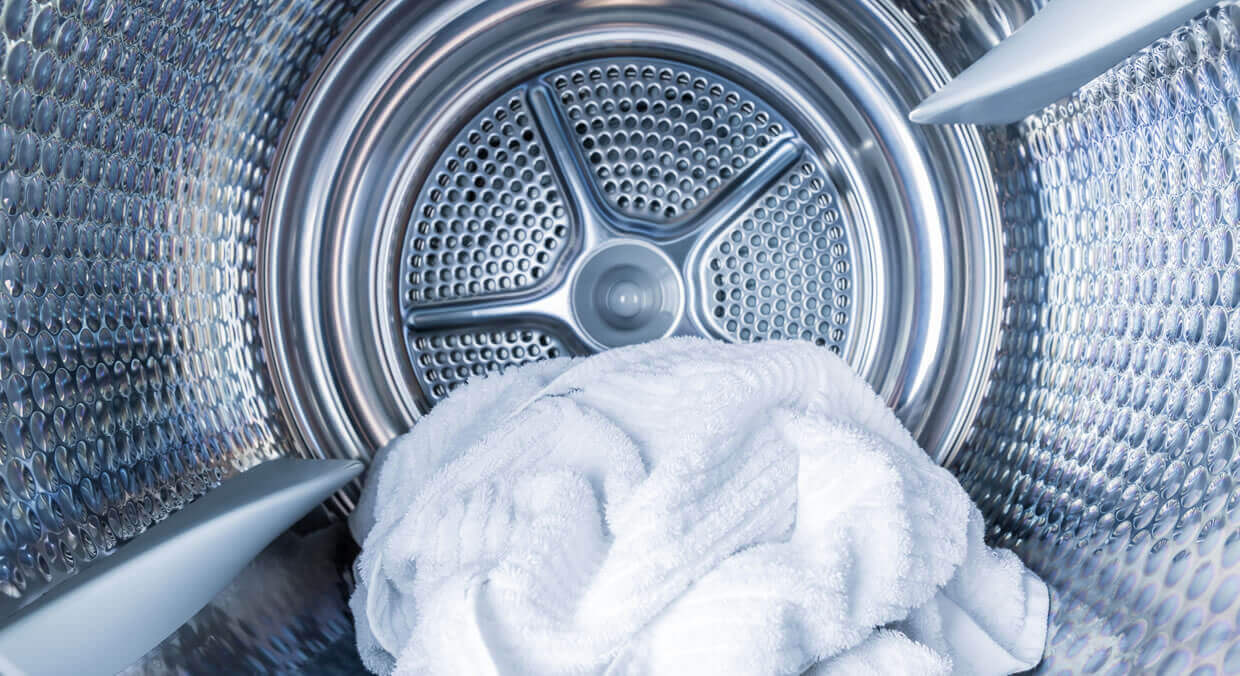
High heat can actually damage delicate fabrics, shrink clothing, and fade colours. Many materials, in fact, work best when dried either low or air-dry.
The Science: Particularly with cotton and wool, high temperatures destroy fabric fibres and can induce permanent shrinking. Low heat dries clothes as well as helping to preserve them.
Use the lowest heat setting offered to help your clothing last longer. Another superior choice for delicate fabrics is air-drying. To enable more even and speedy drying of your clothes, think about utilizing dryer balls.
Myth: The best cure-all for difficult stains is bleach
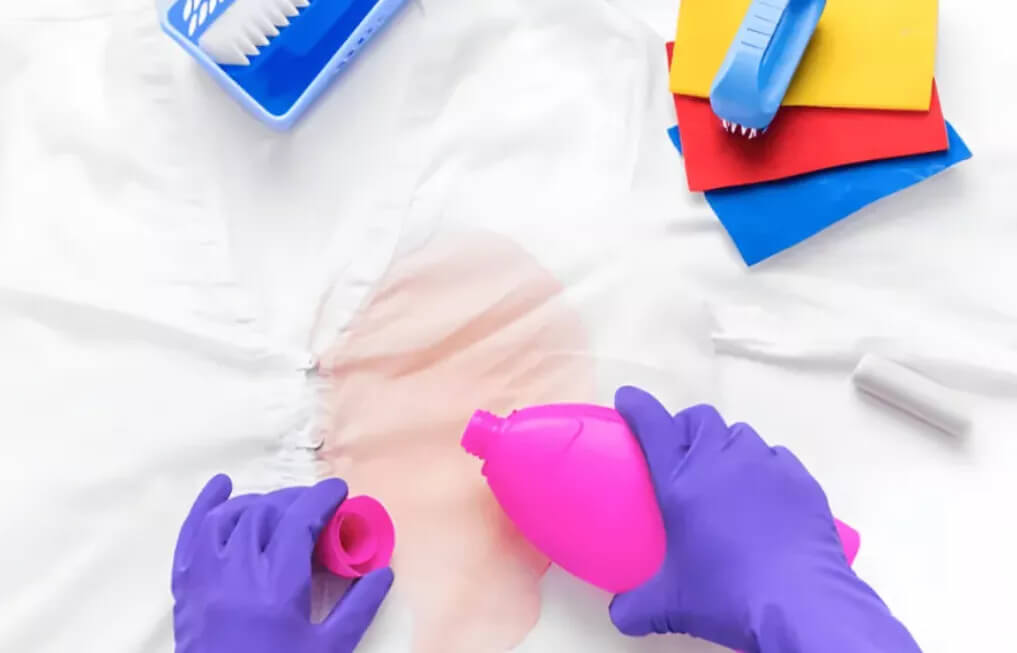
Despite its potential to whiten and remove certain stains such as mildew or mould, bleach is not a universal solution. Particularly for delicate or synthetic materials, bleaching can cause colour fading and damage to textiles.
The science: Although bleach breaks the chemical bonds of stains, it can also weaken fabric fibres, increasing their lifetime susceptibility to damage.
For most stains, use a gentler solution including vinegar, hydrogen peroxide, or a specialist stain remover. Before using any bleach, always test it on a little, unassuming piece of fabric.
Myth: Soft clothing calls for fabric softener
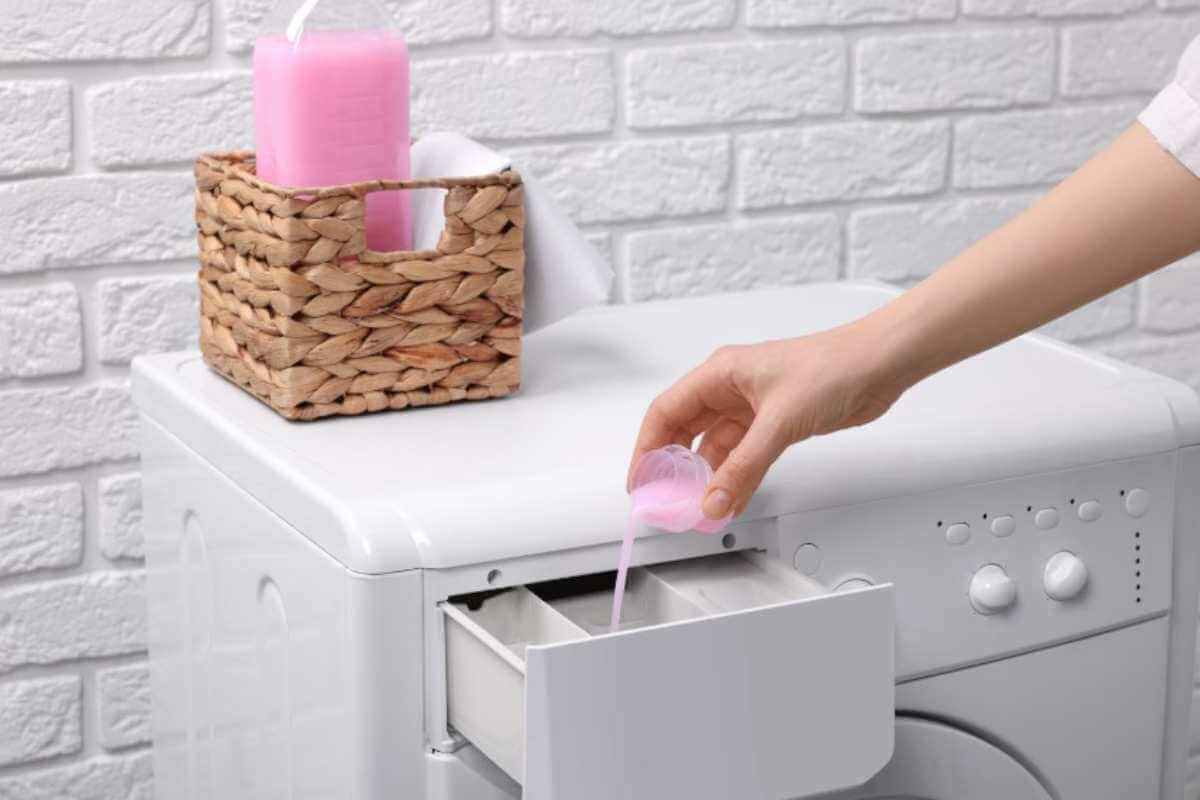
The myth is that clothing cannot be softened without fabric softener, so static cannot be avoided.
Although fabric softeners assist in reducing static and softening clothing, they are not always required and might cause residue on your garments or clog your washing machine over time.
Fabric softeners work by coating fibres with a thin layer of chemicals that can build up in the washing and on clothing. Fabric softeners may irritate sensitive skin.
If you enjoy soft clothing, vinegar is a natural fabric softener substitute. It leaves no trace, softens clothes, and gets static out of them. Use dryer balls to achieve the same effect without using chemicals.
Myth: Since hot water kills germs more efficiently than cold water, hygiene calls for it
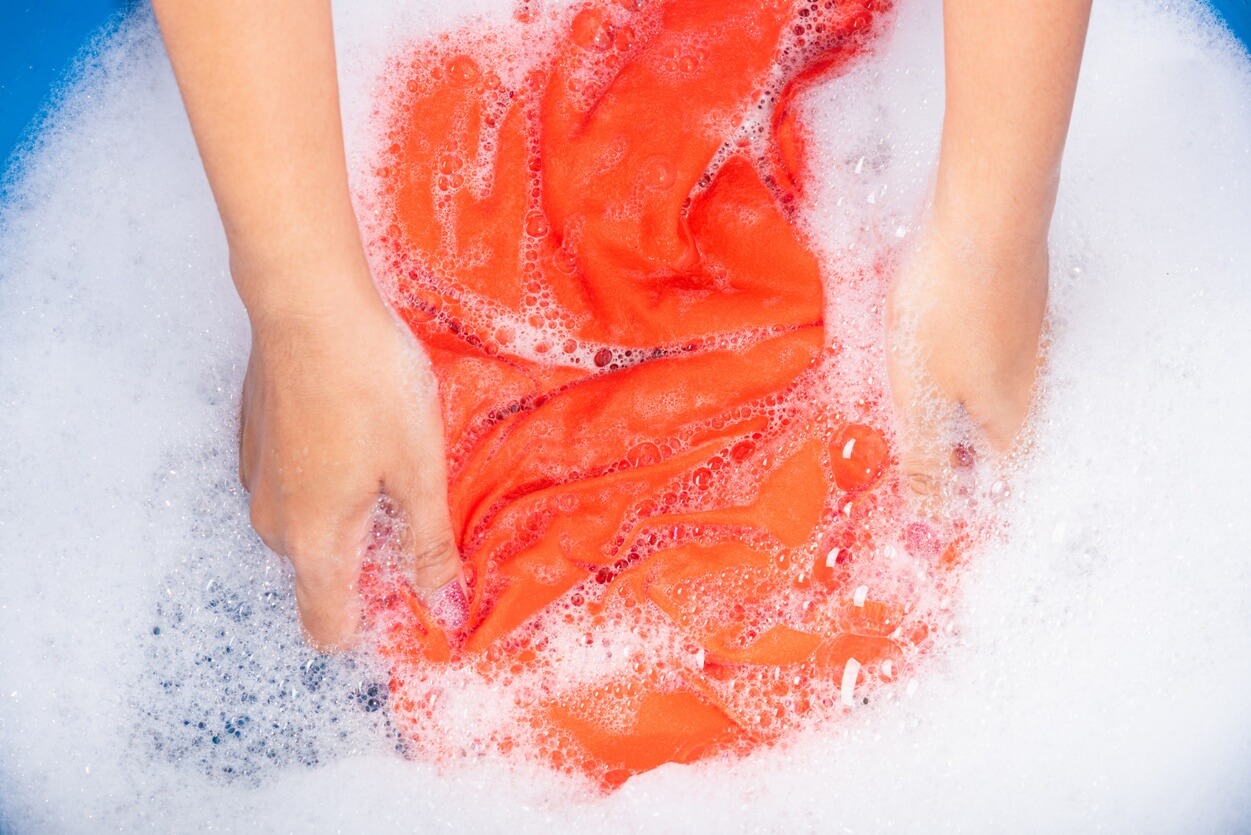
Hot water is not needed to sterilize clothes, though it can kill some microorganisms. Generally speaking, detergents—especially those with disinfecting properties—are sufficient for lower-temperature cleaning and germ removal.
The Science: The detergent and washing cycle determine more how effective sanitizing is than the water temperature. Although this could damage items, washing clothes at 60°C (140°F) or above is usually necessary to completely sterilize them.
If cleanliness is a concern, include a disinfectant like vinegar or hydrogen peroxide in the wash or apply antibacterial detergents. Preserve hot water washes for items such as bedding or towels that require sterilization.
Myth: Self-cleaning washing machines
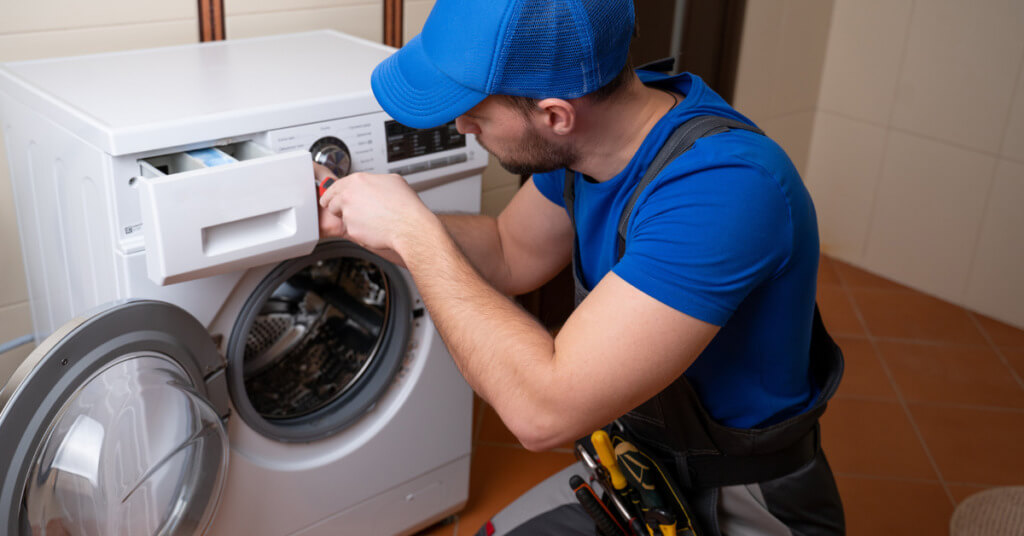
The myth holds that every time your washing machine cycles, it cleans itself.
The truth is that washing machines can pick up detergent residue, soap scum, and even mould over time, compromising their effectiveness and the cleanliness of your clothes.
The Science: Especially in the rubber seals and detergent dispensers, washing machines can contain germs and mildew, which produce bad smells. Regularly cleaning your equipment will help it run as it should.
Either use a washing machine cleanser or run an empty cycle with hot water and vinegar to clean your washing machine. Leave the door open between washes, too, to allow them to dry and stop mould growth.
Myth: To cut water and energy, wait to wash clothing until your laundry basket is full
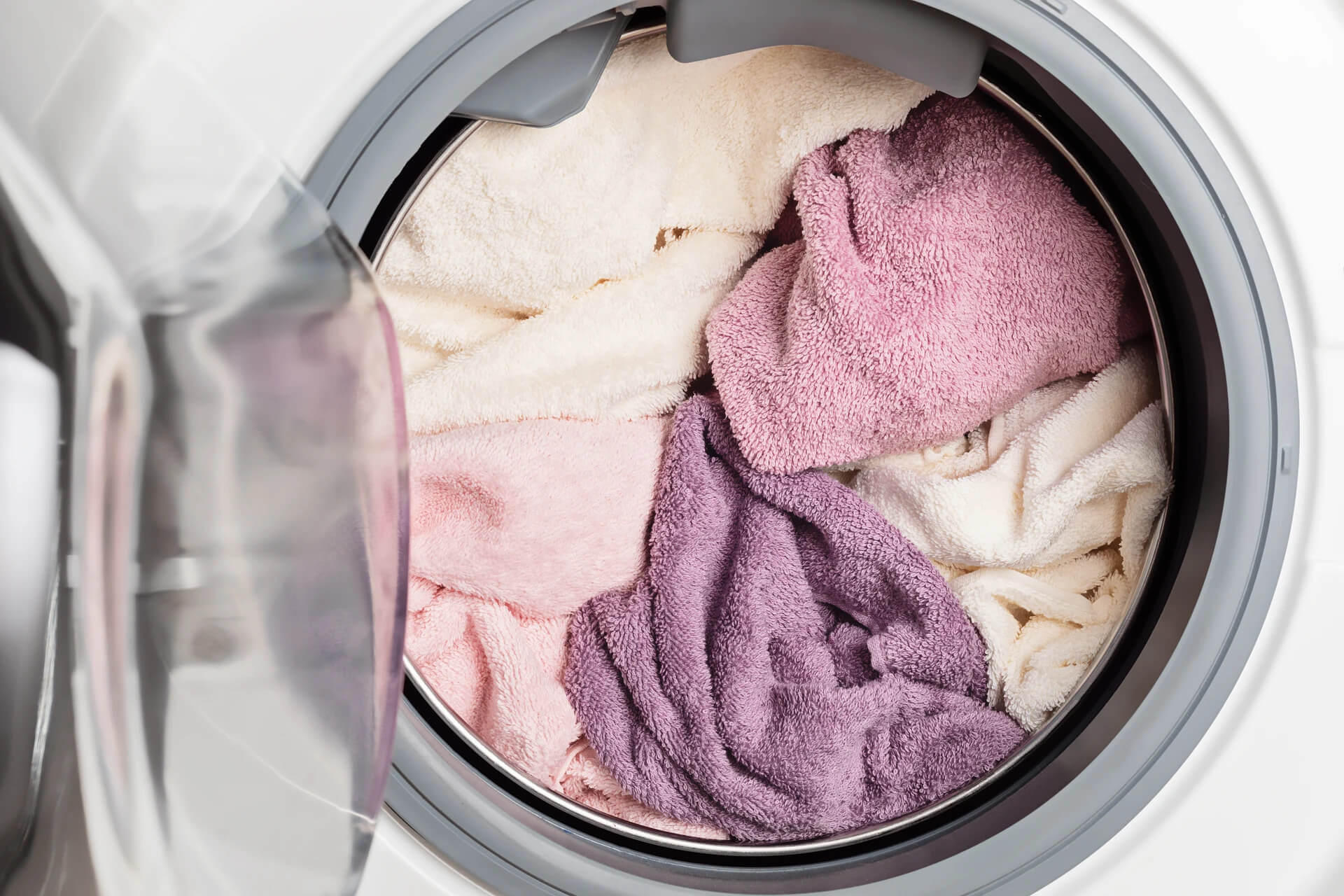
The truth is that overloading your washing machine could cause poor cleaning even if full loads save energy. Clothes need enough area to adequately rinse and agitate.
The science is that overloaded machines can result in inadequate rinsing and poor water circulation, thereby failing to efficiently rinse detergent and waste away.
For best energy efficiency, wash entire loads without running the machine full blast. If you have small loads, try using the half-load option or washing at a lower temperature to cut energy use.
Myth: You don't have to clean your dryer vent
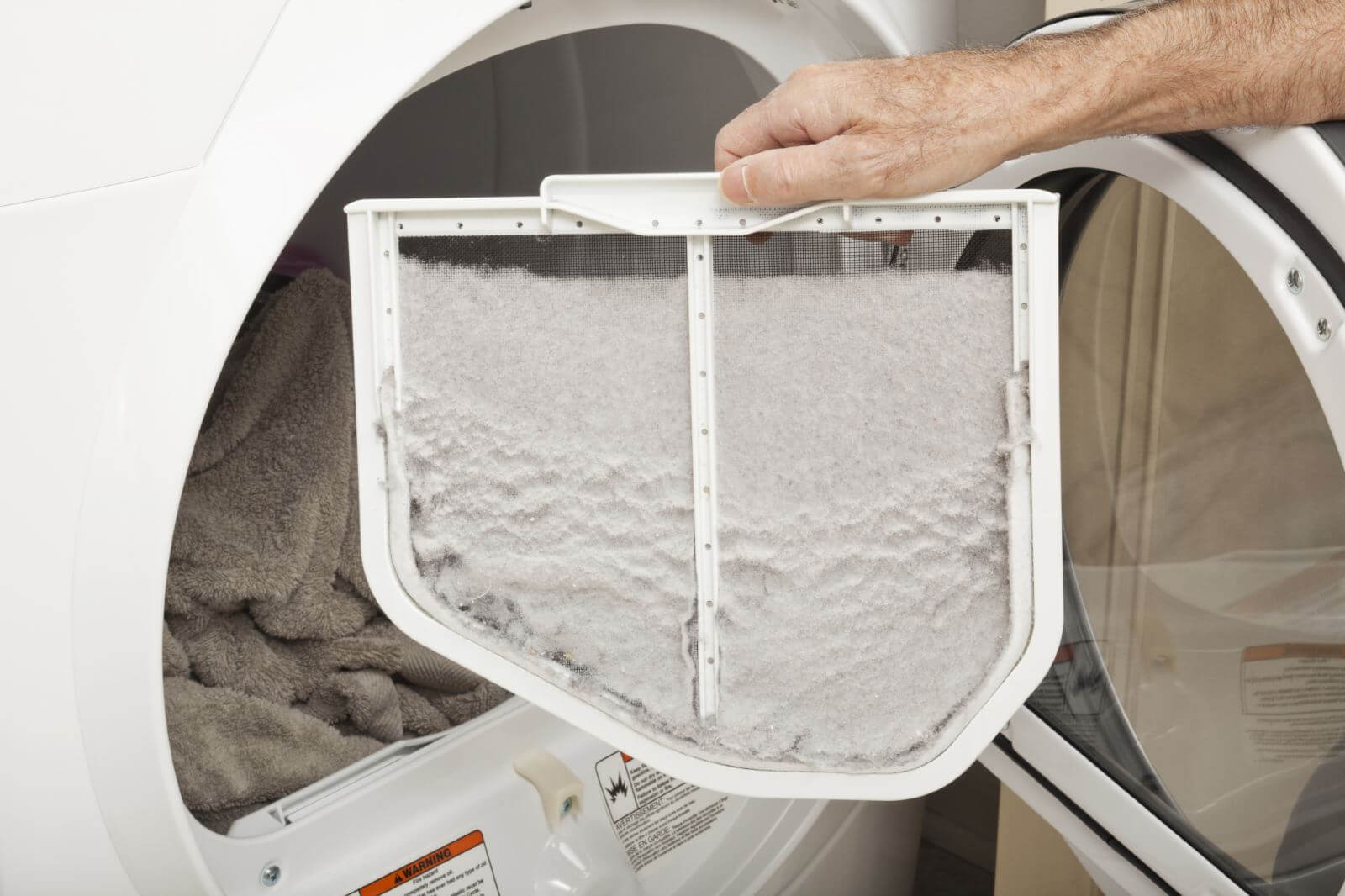
The myth is that the vent needs regular cleaning only as long as your dryer is running.
Actually, one of the main reasons dryer fires start is lint accumulation in dryer vents. Maintaining the reliable and effective operation of your dryer depends on regular maintenance.
The science is that lint can block airflow, which increases the risk of overheating and fire by having your dryer work harder. Longer drying durations and greater energy costs follow from a clogged vent's effect on drying efficiency.
After every use, clear the lint trap; at least once every year, check and clean the dryer vent. We offer professional vent cleaning services upon request.
The Key to Effective Laundry
Knowing the science of washing will help you maximize the lifetime of your clothes and save time, money, and aggravation. Following evidence-based laundry rules and busting these misconceptions will improve the effectiveness of your washing and drying schedule. Therefore, keep in mind that the next time you load, it's more about using the correct technique for your machine and clothes than it is about using more detergent, hotter water, or more heat! Happy washing!