
The Truth About Your Laundry Detergent: What’s Really Inside?
By WeDoLaundry •To be honest, when did you last give the detergent you used some thought? Right now you toss your clothing in the wash, add some soap, and wish for the best. But have you ever given any thought to what really is in the bottle you are using? Not all of it is great, spoiler alert. Certain of the components in your detergent could not only damage your garments but also your skin and the surroundings.
Although laundry detergent breaks down stains and filth, some of the chemicals in it might do more damage than benefit. Like most people, you most likely have not given much thought to what is really within that bottle. Still, it's worth a second look—especially if you worry about the earth, your skin, or both.
1. Surfactants, the Grime Fighters
The main component that gives detergent such power is surfactants. They lift dirt, grease, and oils and assist the water to enter your clothing. The surfactants drag the dirt off your clothes, and the water rinses it away like in a tug-of- war.
The fact is, surfactants come in several forms. Popular ones like sodium lauryl sulphate break down oil quite effectively, but they can also be quite harsh on your skin. They treat the grime harshly, but they are not always gentle toward you. The milder ones, such as alcohol ethoxylates, which are healthier for sensitive skin, are still not ideal.
In what way is the catch? If surfactants fail to break down in water, they might thereby contaminate the surroundings. Therefore, they might not be very kind to rivers and seas even as they clean your clothes.
2. Fragrance: The Mystery Scented

Everyone enjoys that scent of freshly cleaned clothes. But did you know that "fragrance" is sometimes merely a moniker for a concoction of synthetic chemicals? While some of them are innocuous, others—especially if you have sensitive skin—can induce allergies or skin issues.
These perfumes not only aggravate your skin but also don't break down readily in nature, hence they might eventually damage the surroundings. Certain of these synthetic perfumes even include phthalates, substances connected to health problems.
3. Enzymes: the stain removers
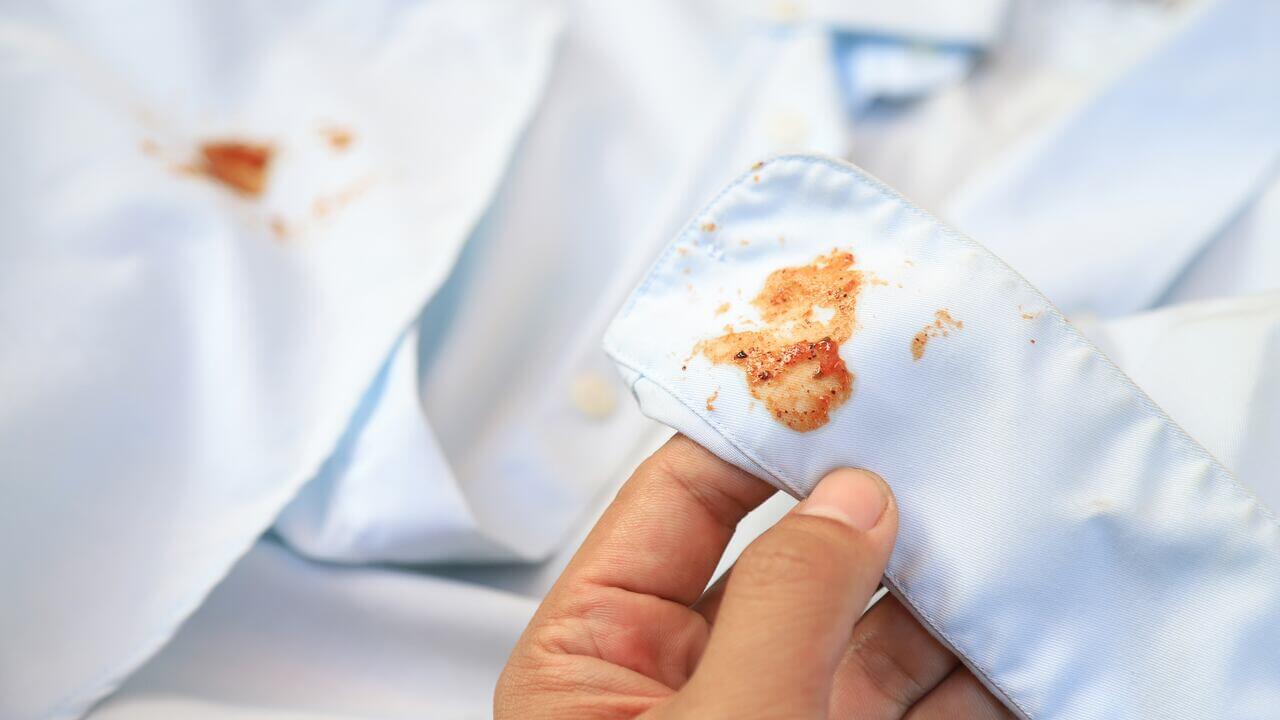
When it comes to stain removal, enzymes are sort of your hidden weapon. They break down proteins (like blood or sweat), lipids (like oil), and even carbohydrates (like food spills). Better for the environment, they let you wash your clothing at a lower temperature.
The drawbacks are that enzymes can cause allergies in certain people, particularly if they breathe the powder or come into too frequent contact with them. Although enzymes break down organically with time, improper disposal of them can still endanger aquatic life.
4. Optical Brighteners – The Illusionists
Ever noticed, how your whites seem particularly brilliant after washing? That's probably due to optical brighteners, which absorb UV radiation and subsequently re-emit it as blue light, giving clothes a whiter appearance than they actually have. Nice trick, right? The hitch is that they do not really clean anything. They simply help your clothes seem nice.
These molecules accumulate in water, do not biodegrade, and can so contaminate the surroundings. They also occasionally cling to your clothing, which, if sensitive, could aggravate your skin.
5. Phosphates: Classic Pollutant from Old School
They soften hard water and increase cleaning power, that is why phosphates in detergents were considered so useful and important.On the contrary, their environmental effect is so hazardous, that all the companies are banning it now.
Phosphates can cause algae to bloom excessively, therefore cutting out oxygen and damaging aquatic life, when they wind up in rivers or lakes. Though they are bad for the environment, they do not directly endanger people.
What can you do?
1. Search for hypoallergenic detergent
Look for detergents marked "hypoallergenic," if you have sensitive skin. Usually free of scents, colours, and strong chemicals these are also If you're attempting to cut out synthetic perfumes, you might alternatively choose natural aromas like essential oils or fragrance-free products.
2. Choose Plant-Based Components
Plant-based surfactants and enzymes—better for the environment and more readily broken down in nature—are used by some companies. Search for certifications like Eco Label or EPA Safer Choice and for labels stating "biodegradable".
3. Eliminate bleach and phosphates
Use phosphates and bleach free detergues. Many modern detergues are equally efficient without these components. Eliminating optical brighteners also protects your skin and helps preserve aquatic environments.
4. Use concentrated detergent
Using less water, packaging, and chemicals means concentrated detergues are more environmentally friendly. They also extend lifespan, so over time you will save money.
5. Create Your Own Cleaner
Making your own laundry detergent is a fantastic method to regulate exactly what gets into it if you're feeling adventurous. Easy recipes abound utilizing basic household ingredients such borax, Castile soap, and washing soda.

Why Does It Matter?
Though we rarely consider the components in our laundry detergent, those components have more influence than we could possibly know. Selecting the correct detergent protects your skin and the environment as well as cleans your clothes.
Thus, take a moment to study the label on the next bottle of detergent you are grabbing. Little adjustments can have a significant impact.